 how-to
How to Spot a Restored Comic Book Key: 7 Signs
Quick Summary
A restored comic book is a copy where someone has repaired, altered, or cleaned damage to make it look better than it is. You can spot one by inspecting the spine, staples, edges, first wrap, and color under raking light and UV, then comparing the copy against verified examples. Restoration usually lowers value compared with an unrestored copy in similar condition.
- Restoration hides flaws like spine splits, tears, stains, or missing pieces.
- Inspect the book from the outside in, starting with the slab or bag and cover.
- Replaced staples often look brighter or sit at a different angle than the originals.
- Trimmed edges show a perfectly straight cut across the whole page stack.
- Ask sellers directly about restoration and request clear photos of suspect areas.
Table of Contents
- Why Restoration Matters for Key Issues
- Set Up a Safe Inspection Kit at Home
- Step-by-Step Inspection: Checking the Spine, Staples and Edges
- Detecting Color Touch and Cover Recoloring
- Telling Restoration Apart from Normal Aging and Manufacturing Traits
- How Restoration Changes Value and Disclosure
- What to Do When You Suspect Restoration Before Buying
- Frequently Asked Questions
Why Restoration Matters for Key Issues
Last Updated: October 29, 2026
Restored comic book keys look almost identical to original copies at first glance, and that is exactly the problem.
A restored comic book is a copy where someone has repaired, altered, or cleaned damage to make it look better than it is. The goal is usually to hide flaws like spine splits, tears, stains, or missing pieces.
Here is why it matters for key issues. Key issues carry a premium because they are rare and in demand.
Not every flaw you spot means restoration. Many issues show normal aging, printing traits, or a past repair that was disclosed. The job is to tell these apart before you decide.
Grading services try to flag restoration, and some slabs carry a restoration label when they find it. But grading is not perfect, and collectors still need to look closely.
Set Up a Safe Inspection Kit at Home
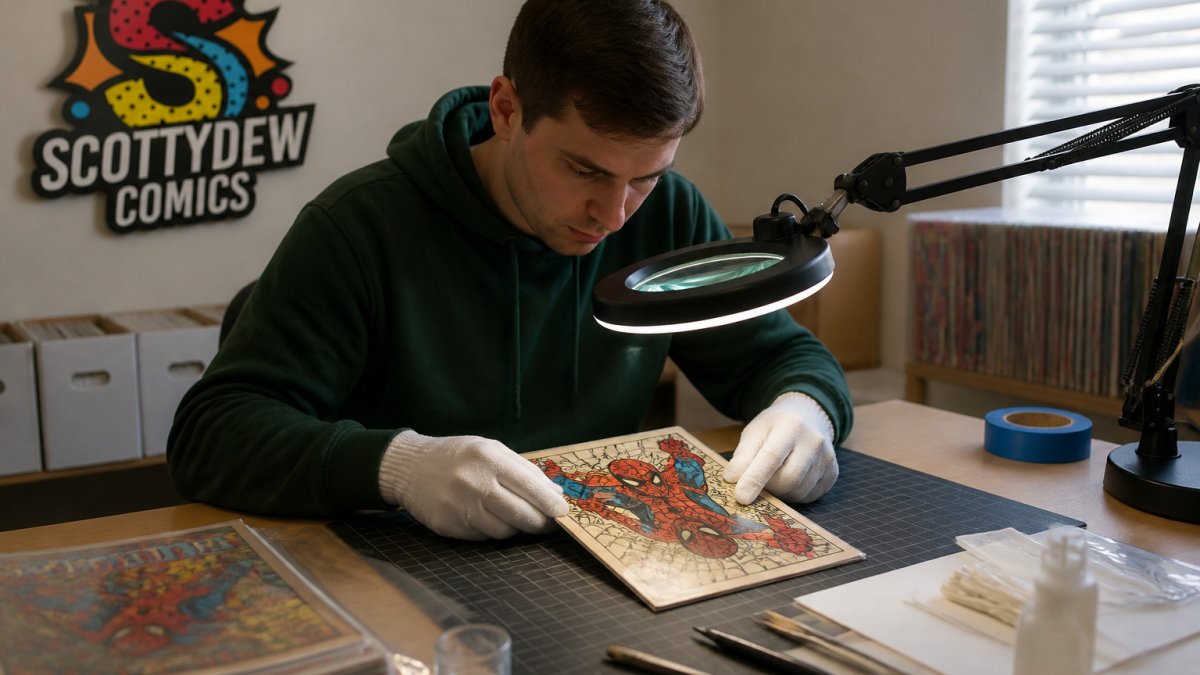
You do not need expensive gear to inspect a comic. A simple kit is enough. Keep it near your desk so you actually use it every time.
- A bright, adjustable desk lamp with a neutral white light
- A 10x magnifying loupe for close checks on staples and spines
- Soft white cotton gloves or clean nitrile gloves to protect the paper
- A clean, flat surface padded with a microfiber cloth
- A small UV flashlight to check for touch-ups and glue traces
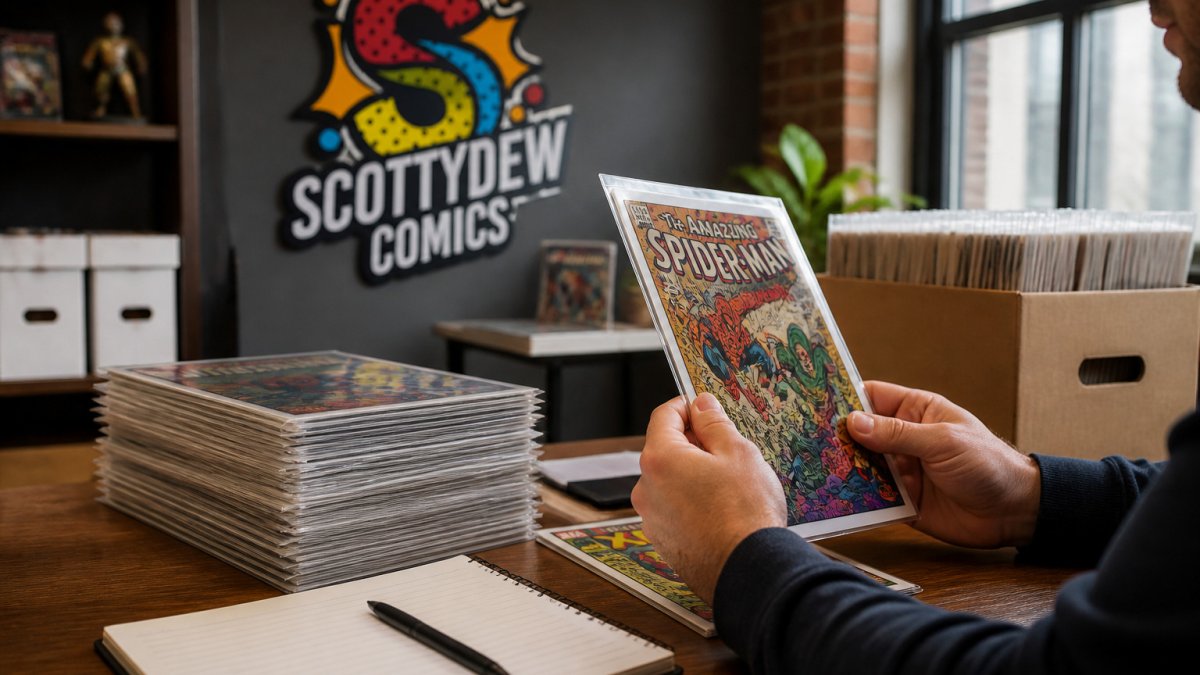
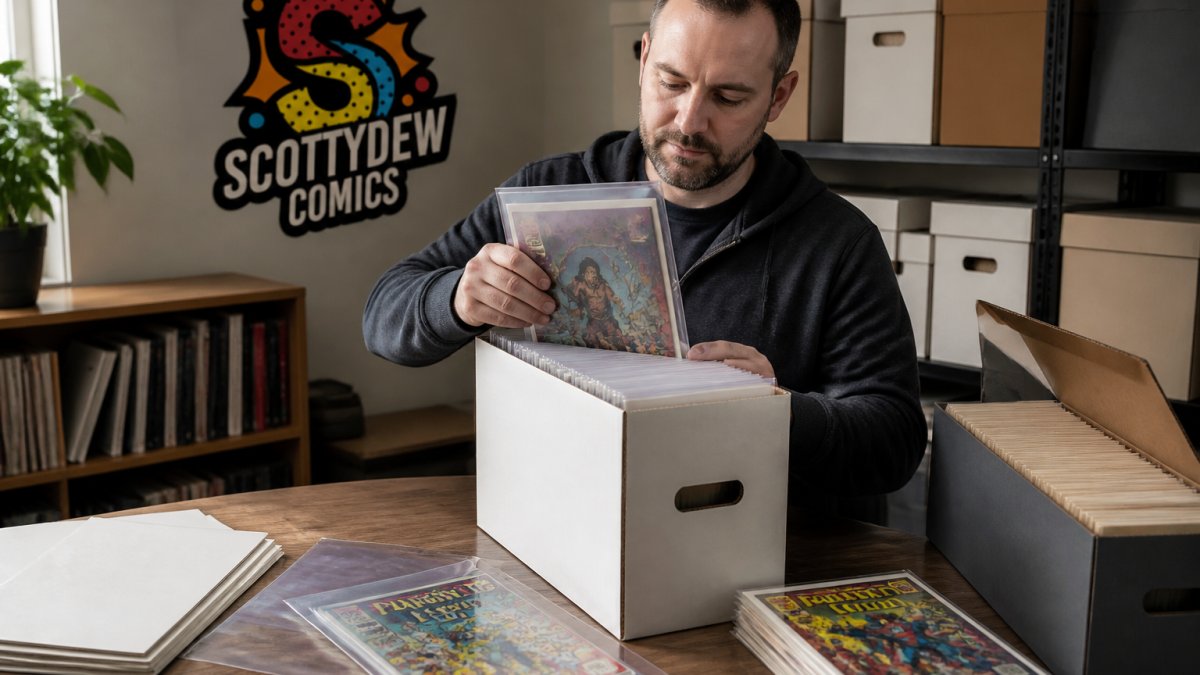
Handle comics by the edges only. Oils from your fingers can stain paper over time, and that is a problem you do not want to add to a key. If the comic is in a slab, keep it sealed and inspect the outside first, then ask the seller for clear photos of the inside.
Work in a calm space with no food or drinks nearby. Take your time. A rushed look often misses the small details that matter most.
Step-by-Step Inspection: Checking the Spine, Staples and Edges
A repeatable workflow beats a random once-over every time.
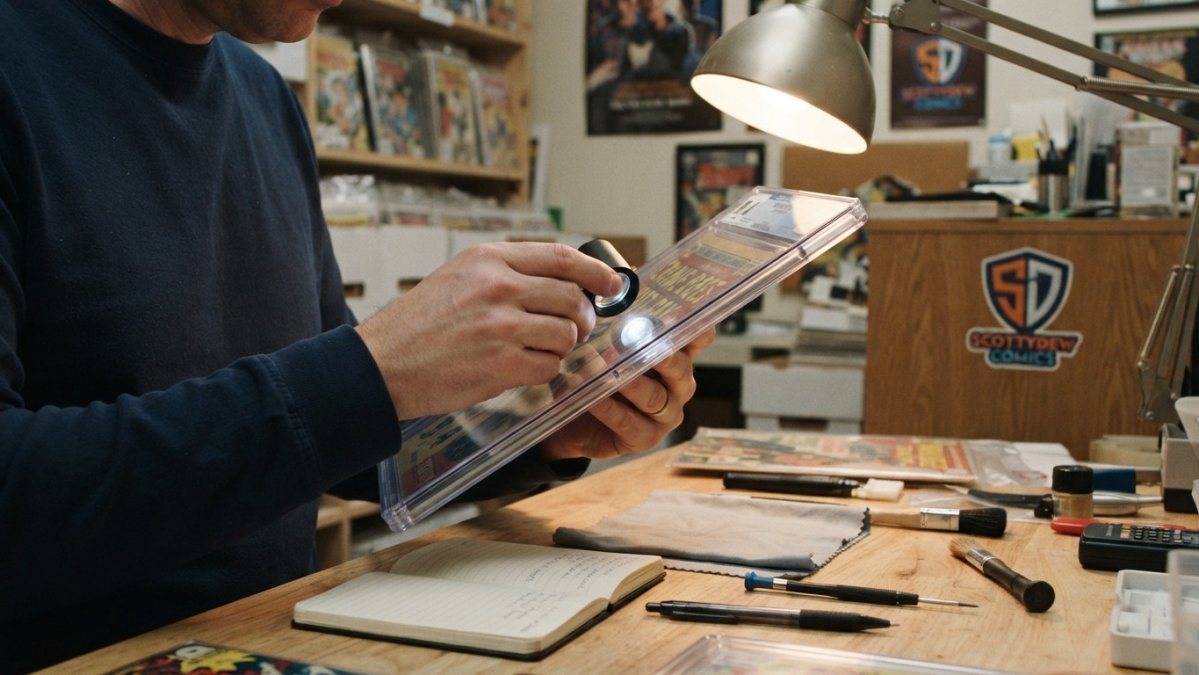
Step 1: Outside the slab or bag. If the book is graded, inspect the holder first.
Step 2: Cover under raking light. Hold the comic at a low angle under a neutral white lamp so light skims across the surface.
Step 3: Spine and fold. Run your loupe along the spine from top to bottom. Original spines show a consistent fold line with small stress marks.
Step 4: Staples. Original staples are usually dull, slightly oxidized, and sit straight in the center fold.
Step 5: Edges and corners. Original edges show natural, uneven wear. Perfectly straight edges across the whole page stack suggest trimming.
Step 6: Interior first wrap and centerfold. Open the book carefully and check the first wrap and centerfold for glue, tape, or paper replacement.
Step 7: Paper and page replacement. Compare paper tone across the book.
Spotting Trimmed or Cut Edges
Trimming removes damage from the edges by cutting away a small strip of paper. The result is a clean line that looks too neat for a comic of that age.
- Look for edges that are perfectly straight across the whole page
- Check whether the cut removed part of the printed border or artwork
- Compare the top, bottom, and fore-edge; trimming often shows up on only one side
- Watch for a slight change in paper color right at the cut line
A common mistake is assuming all clean edges are trimmed. Some copies simply have well-kept edges, so check the other clues before drawing conclusions.
False Positives: Manufacturing Traits and Normal Aging
Many suspicious-looking features are original. Before you call restoration, rule out these common false positives:
- Uneven cover edges. Older printing and binding often produced slightly uneven trim on the fore-edge. Compare against a known copy of the same issue before assuming trimming.
- Staple rust. Original staples can rust from the inside out. Rust alone is not proof of replacement; look for staple angle, color, and whether the centerfold shows matching oxidation.
- Color variation. Newsstand and direct editions, and even copies from the same print run, can show ink density differences. Flat color in one area is a clue, not a verdict.
- Brittle paper and small tears. Age-related brittleness and reading creases are normal. Restoration tends to hide damage rather than show natural age.
- Glue at the spine. Some binding and manufacturing processes leave adhesive residue. A single glue spot is not proof; a line of fresh adhesive along a reattached cover is.
When you are unsure, compare the copy to verified examples in a reference database or against known unrestored copies. Seeing the same issue in several conditions helps you learn what is normal.
The article's workflow moves from the outside of the book inward, and each stage targets a different clue.
| Step | What to check | Clue to look for |
|---|---|---|
| 1. Outside slab or bag | Grading label and certification number | Restoration, conserved or qualified label |
| 2. Cover under raking light | Surface texture under low-angle light | Dents, press marks, colour touch |
| 3. Spine and fold | Fold line under loupe | Flattened, too-sharp or unnaturally even colour |
| 4. Staples | Colour, angle and centerfold | Bright staples, angle change, halo |
| 5. Edges and corners | Trim line across the page stack | Perfectly straight cut, removed artwork |
| 6. First wrap and centerfold | Adhesive and cover alignment | Line of fresh glue, offset wrap |
| 7. Paper and pages | Paper tone and page count | One whiter page, count mismatch |
Detecting Color Touch and Cover Recoloring
Color touch is the practice of adding ink or paint to hide small flaws like white spots, scratches, or worn corners. It is one of the most common restoration methods, and it can be hard to see without good lighting.
Start under your lamp, then try the UV flashlight. Retouched areas often fluoresce differently from the surrounding paper and ink. A patch that glows or looks unusually dull under UV deserves a closer look.
Pay attention to color that seems too uniform. Original printing has small variations in ink density. Recolored areas can look flat, almost painted, when you see them up close with your loupe.
Recoloring can also affect large areas of the cover. If the colors look unusually bright or faded in only one section, the cover may have been altered. Ask for photos from several angles before you commit.
Telling Restoration Apart from Normal Aging and Manufacturing Traits
This is where many collectors get it wrong. Not every flaw means restoration. Old comics age in predictable ways, and some printing traits look suspicious even when they are original.
Normal aging includes:
- Slight yellowing along the edges and spine
- Small, natural creases from reading
- Tiny printing dots or color shifts from the original press
- Wear on the corners from the time the comic spent in a stack
Restoration often looks different. It tends to hide damage rather than show natural age. Look for flaws that are too clean, too even, or conveniently missing in the spots that would normally show wear.
When you are unsure, compare the copy to verified examples in a reference database or against known unrestored copies. Seeing the same issue in several conditions helps you learn what is normal.
How Restoration Changes Value and Disclosure
Restoration affects value in a big way. A restored key usually sells for less than an unrestored copy in similar condition, and in many cases the difference is substantial. Ethical sellers disclose restoration clearly, and that disclosure should match what you see when you inspect the book yourself.
Disclosure matters for both buyers and sellers. If a listing does not mention restoration but your inspection finds it, ask the seller directly. A good seller will answer plainly and provide clear photos. A vague answer is a warning sign.
Grading also plays a role. Grading services may add a restoration label, and that label affects how the market prices the book. Read the label carefully and understand what it says before you pay.
What to Do When You Suspect Restoration Before Buying
If something looks off, slow down. Do not let excitement or a time-limited auction push you into paying full price for a copy you cannot verify.
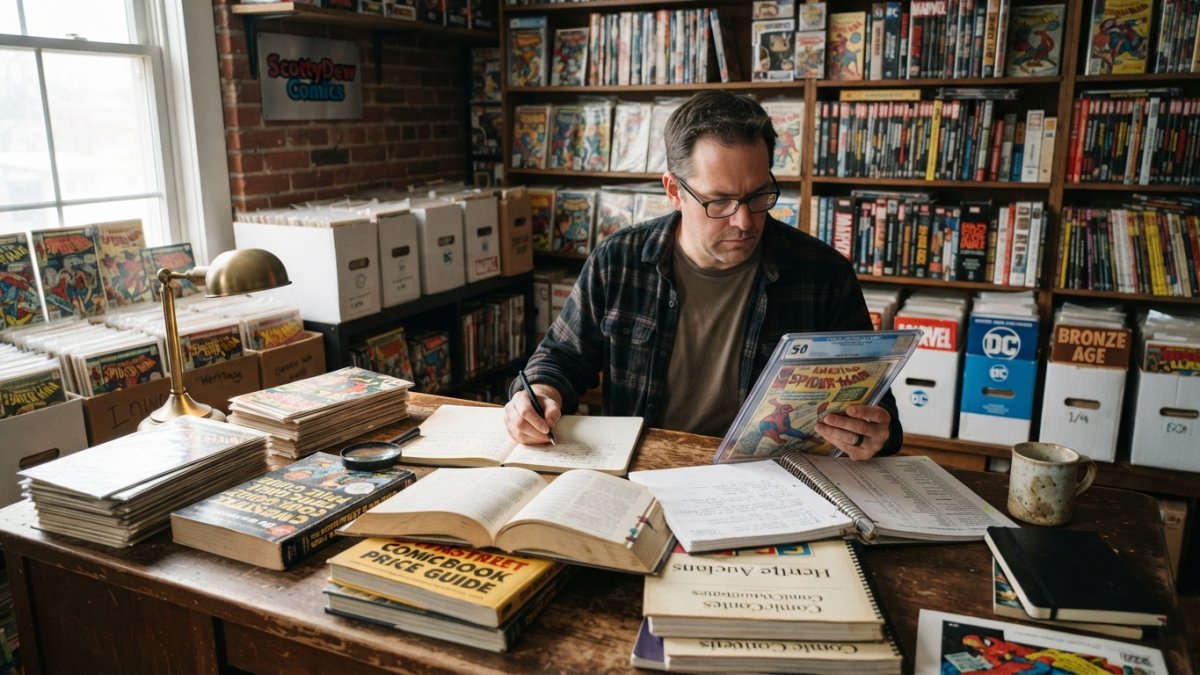
Step 1: Document what you see. Before you contact the seller, write down the specific clues: the area, the lighting condition, and what looked different.
Step 2: Ask targeted questions. Ask the seller directly whether the book has been restored, conserved, pressed, trimmed, re-colored, or had staples replaced. You can also learn how to spot fake graded comic slabs before you commit.
Step 3: Verify the grading label. If the book is graded, check the certification number against the grading company's public lookup.
Step 4: Compare against a known copy. Pull up a verified example of the same issue from a reliable reference source and compare the spine, staples, edges, and paper tone side by side.
Step 5: Get a professional opinion. For a high-value key, consider having a trusted expert or grading service review the book before you buy.
Step 6: Price the risk. If restoration is confirmed or strongly suspected, treat the book as a restored copy for valuation purposes.
At Scottydew Comics, we want collectors to feel confident in every purchase. Ask questions, take your time, and use these checks to build your skills. Join our community to learn more and connect with other collectors who care about authentic finds.
Frequently Asked Questions
How can you tell if a comic book has been restored?
Start with the spine, staples and edges, then check the cover under magnification and angled light. Look for glue residue or a flattened spine, staples that look newer or mismatched, trimmed edges that show a uniform cut or lost print, and color that looks uneven or oddly bright against the surrounding paper. Compare the copy against reference images of unrestored examples of the same issue. No single clue proves restoration, so look for several signs together and treat any suspicion as a reason to verify before you pay.
What are the most common signs of comic book restoration?
The most frequent signs are glue or adhesive along the spine or first wrap, staining that stops at a line on the cover, color touch over small tears or creases, trimmed edges that have lost the original border, and replaced or altered staples. Pressing paper flat and examining the spine in raking light often reveals repairs that look clean at normal viewing distance. Some of these traits also occur on legitimate copies, so weigh them together rather than relying on one.
Does restoration affect the value of a key comic?
Yes. Restored copies typically sell for less than unrestored copies in comparable condition because buyers treat restoration as a defect. The discount depends on how visible the work is, how extensive it is and whether it is disclosed. Graded restored copies are usually marked on the label, which lets buyers price them accurately. Confirm the restoration status in the listing and the grading label before comparing prices across sellers.
Can you spot restoration without professional tools?
Many clues can be found with a bright light, a magnifying loupe and clean hands. Use a flashlight at a low angle to reveal glue, pressed creases or color touch, and compare the copy against verified unrestored examples. Professional restoration checks, such as ultraviolet examination or detailed grading review, can catch subtle work that home inspection misses, so treat a clean at-home result as a strong starting point rather than a guarantee.