 comparison
9 Costs and Risks to Weigh Before Bidding Live
Quick Summary
Live comic auctions are worth it if you value the real-time experience, access to rare books, and community, and you can hold to a firm budget. They suit collectors who already know a book's value, while an online marketplace is often better for a specific title at a known price.
- Calculate total cost by adding buyer's premium, shipping, insurance and tax to the hammer price.
- Set your maximum bid before the lot opens and stop once the price passes it.
- Compare each lot against recent sales of the same title, issue and grade.
- Read lot descriptions closely, since raw, restored and graded books differ greatly in value.
- Watch two or three lots before bidding so you learn the host's pace and condition language.
Table of Contents
How Live Comic Auctions Work
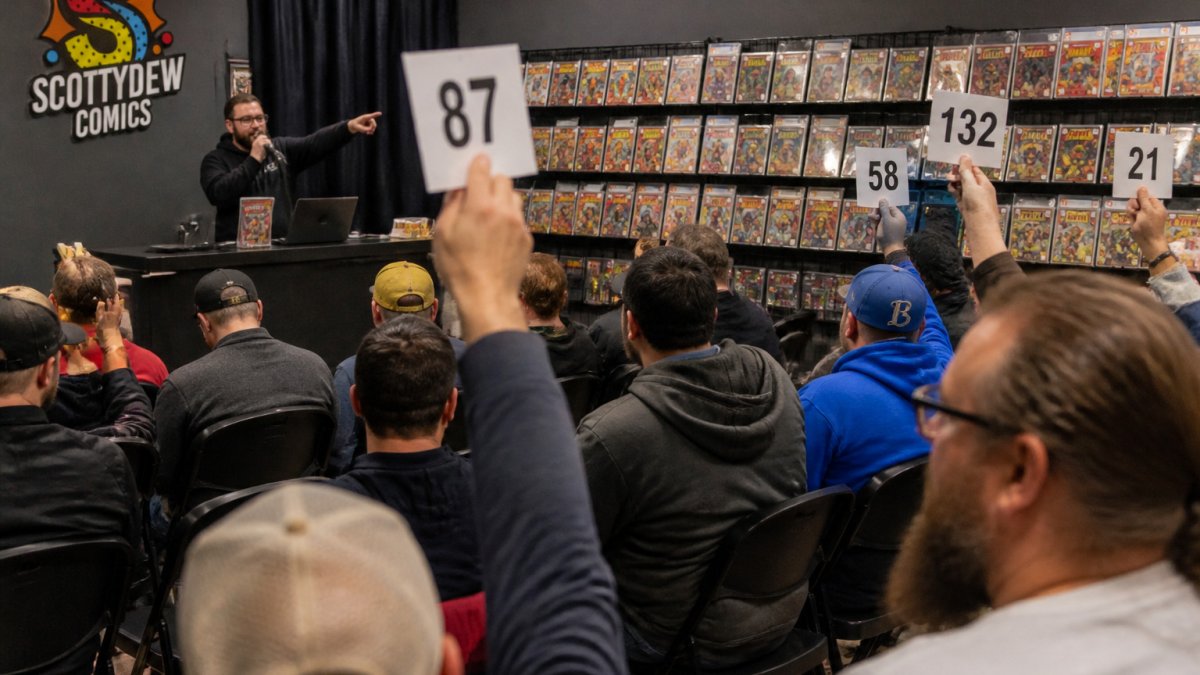
Live comic auctions bring together collectors, sellers, and an auctioneer or host who moves a lot of comics through a fast, streamed sale. Scottydew Comics runs its live auctions on the Whatnot platform, where bidding happens in real time while the host shows each book on camera.
Each comic is offered as a lot, and bids climb in set increments until the clock or the host closes the lot. The final price is called the hammer price, and it is the number you pay before any fees or shipping. Reading the lot description carefully matters, because a listing that says "raw" or "restored" describes a very different book from one that says "graded" in a sealed slab.
In practice, the pace is the main thing to get used to. Watch two or three lots before you bid on anything so you understand how the host describes condition and how quickly bidding moves.
Live Auctions Compared With Online Marketplaces
Is attending live comic auctions worth it compared with simply buying from an online marketplace? The honest answer depends on what you want from the purchase. Live auctions give you a sense of competition and community that a fixed-price listing does not. Online marketplaces give you time to research, compare, and walk away without pressure.
A live sale rewards collectors who already know what a book is worth. If you are bidding against other people in real time, a fair price can disappear in seconds. On a marketplace, you can check recent sold listings, take your time, and buy only when the price matches your research.
Comic Book Auction Fees and Total Buyer Costs
The winning bid is rarely the full cost of a comic. Before you bid, find out whether the platform adds a buyer's premium, charges shipping or insurance, or applies sales tax where you live. Each of these can change the total significantly, and they are easy to overlook when the excitement of a close bid takes over.
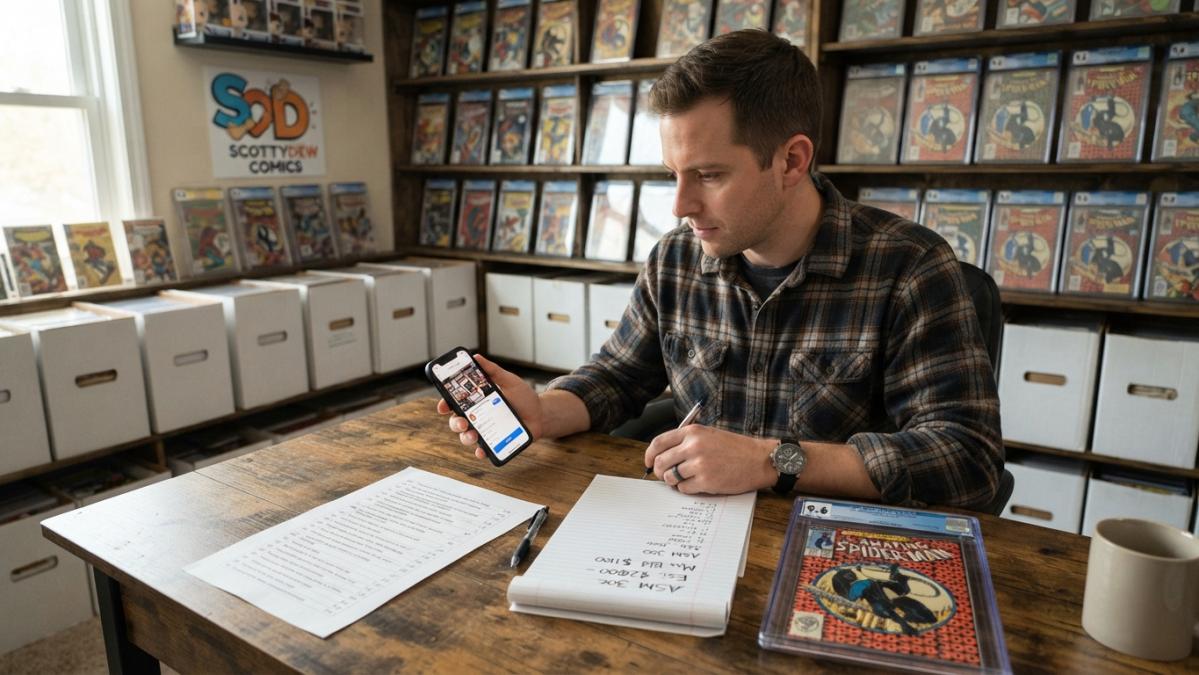
Build a simple worksheet before you bid. List the hammer price, then add any premium, shipping, insurance, and tax. Compare that total against what the same comic sells for elsewhere, including recent sold prices for the same grade. If the total is higher, the convenience or the experience needs to be worth the difference to you.
Pricing for Scottydew Comics depends on the item, the auction, and the delivery details, so check the current terms on the Scottydew Comics website or with the host before you bid.
Advantages and Risks of Bidding Live
The main advantage of bidding live is access. You can see rare and unique books in real time, ask questions as the host shows them, and take part in themed shows that make the hobby social. Many collectors enjoy the energy of a live room, and that enjoyment has real value even when you do not win a single lot.
The risks are just as real. The most common mistake is getting caught up in the moment and paying more than a comic is worth. A rival bidder can push the price up quickly, and a sensible limit can feel easy to ignore when the host is counting down.
Watch out: set your maximum bid before the lot opens, write it down, and stop when the price passes it, even if you want the book badly.
How to Evaluate Comic Books Before Bidding
Good bidding starts with checking condition, and this is where many buyers lose money. Look for the grade and the grading company if the book is slabbed. For raw comics, read the host's description closely and ask about spine stress, staples, color, and any restoration. A restored book can look excellent on camera but be worth much less to a serious collector.
Check authenticity and provenance where you can. Ask whether the seller can document the comic's history, and be cautious with any book whose origin is vague. If the host cannot answer basic condition questions, treat that as a warning sign.
Compare the lot with recent sales of the same title, issue, and grade. Those comparable sales show what the market is actually paying, which is more useful than a seller's asking price or a bid that feels exciting in the moment.
Comic Book Bidding Tips to Avoid Overpaying
Set a budget for the whole session, not just for one lot. Decide in advance how much you are willing to spend, and keep track as you go. A session budget protects you from a string of small decisions that add up to a large bill.
Use the bid increments to your advantage. Bid early enough to establish your position, but avoid chasing a price that has already gone beyond your comparable sales. Some collectors find it helpful to wait for lots that interest them and let other bidders drive prices up.
Keep your focus on the books you came for. A live room is full of tempting lots, and the best purchases are often the ones you planned in advance.
Deciding Whether Your Next Live Auction Is Worth It
Attending a live comic auction is worth it when the experience, the selection, and the total cost all fit what you want. If you enjoy the social side, want to see rare books in real time, and can stick to a budget, a live sale can be a rewarding way to collect. If you mainly want a specific book at a known price, an online marketplace or fixed-price listing may serve you better.
Before your next sale, write down your budget, list the lots you want, and compare each one against recent sales. Then decide whether the live format adds enough value to justify the total cost. Join the Scottydew Comics community to see the current lineup of auctions, themed shows, and exclusive drops, and to bid with a plan.
Frequently Asked Questions
Are live comic auctions worth attending?
They can be, depending on what you want to buy and how much time and money you can spend. Attending live makes sense when you want to inspect a specific book in person, when you enjoy the competitive atmosphere, or when a lot is rare enough that remote bidders are unlikely to win it cheaply. For casual purchases or budget-driven buying, online marketplaces often deliver better value. Before deciding, add up the buyer premium, shipping, and any travel costs, then compare that total against the same comic on a fixed-price site.
What fees should you expect when buying comics at auction?
Most auction buyers pay a buyer's premium on top of the hammer price, and some houses add shipping, insurance, or payment-processing charges. Terms differ by platform, so read the auction's fee schedule before you bid. Sellers also typically pay commissions, which can affect the reserve price and how aggressively a lot is sold. Calculate your maximum bid with all fees included so the final invoice does not surprise you.
How do you avoid overpaying at a comic auction?
Set a maximum price before the auction starts and write it down, including fees. Research recent comparable sales for the same issue and grade so you know its approximate fair market value. Watch the bid increments and stop when the price passes your limit, even if you feel pressure from other bidders. Remember that the excitement of a live room can push prices above what the book is worth to you.
What should you check before bidding on a graded comic?
Confirm the grading company, the grade, and the slab label match the lot description and photos. Check the certification number against the grader's online database when one is available. Review the auction's authenticity and return policy, since disputes often depend on those terms. For raw books, ask for clear photos of the spine, cover, and interior pages, and look for restoration or pressing disclosures in the lot description.