 listicle
7 Graded Comic Slab Protection Tips for Collectors
Table of Contents
- 1. Use Snug Outer Sleeves for Graded Comic Slabs
- 2. How to Store Graded Comic Books in Stable Conditions
- 3. Apply UV Protection for Comic Slabs on Display
- 4. How to Clean a Comic Book Slab Safely
- 5. Add Impact Protection During Handling and Transport
- 6. Consider a Comic Book Slab Reholder When Damage Occurs
- 7. Organize and Display Your Growing Collection Safely
- Frequently Asked Questions
Last Updated: October 20, 2026
Protecting your graded comic slab collection through proper graded comic slab protection is one of the most important responsibilities of a serious collector. Whether you're holding a CGC 9.8 or a CBCS gem, the investment demands real care. At Scottydew Comics, we offer live auctions, community events, and curated collectibles. Here's what actually works to keep your graded comics in pristine condition.
1. Use Snug Outer Sleeves for Graded Comic Slabs
The first line of defense for any graded comic slab is a properly fitted outer sleeve, which forms the foundation of effective graded comic slab protection. Loose bags slide around during storage and handling, creating friction that scratches the slab face. A snug fit keeps the slab stationary and protects both the front and edges from surface damage.
Why fit matters
Fit determines whether your sleeve protects or fails. A loose bag allows the slab to shift inside, grinding against the plastic with every movement. A snug sleeve holds the slab firmly in place, eliminating that motion entirely. The difference between a well-protected slab and a damaged one often comes down to this single detail.
When you're choosing sleeves, measure your slab first. CGC and CBCS slabs come in standard dimensions, but not all sleeves are created equal. Some stretch, some compress, and some offer just enough give to hold the slab without excess movement.
Comparing sleeve options
Superior Fit Sleeves take a different approach, focusing on outer sleeves that cover both the face and edges of CGC slabs with minimal excess material. The snug fit reduces the sliding that happens with looser bags, which is where most surface scratches originate during storage.
2. How to Store Graded Comic Books in Stable Conditions
Storage environment matters as much as the sleeve you choose. Temperature swings, humidity fluctuations, and poor air circulation can damage the slab itself and degrade the grading label over time. Stable conditions keep both the comic and the certification intact.
Temperature and humidity control
Extreme temperatures cause the slab materials to expand and contract, which stresses the seal and can create microscopic gaps where moisture enters. Humidity spikes lead to mold growth on the label and potential damage to the comic inside.
The ideal storage range is 65-75°F with relative humidity between 40-50%. This mimics museum-quality preservation standards. If your home fluctuates wildly between seasons, consider a climate-controlled storage unit for your highest-value slabs.
Avoid basements and attics. Basements flood and develop mold. Attics swing from freezing to scorching. Interior closets, spare rooms with minimal windows, and climate-controlled storage facilities are your best bets.
Choosing the right storage container
Acid-free comic book boxes are standard for a reason. They don't off-gas or break down over time like regular cardboard does. For slabbed comics, you need boxes designed to handle the weight and dimensions of slabs without warping.
Store slabs upright in their boxes, not stacked flat. This distributes weight more evenly and makes it easier to pull individual slabs without disturbing others. Label your boxes clearly on the spine so you can find specific slabs without unpacking everything.
3. Apply UV Protection for Comic Slabs on Display
If you're displaying your slabs, UV protection is non-negotiable. Sunlight and even indoor lighting fade colors and degrade paper over time. A slab that looks perfect today can show visible fading in 2-3 years under constant light exposure.
UV-blocking films and protective coatings
This approach works best for slabs you display frequently and want to keep accessible. The film adds minimal bulk and doesn't require special framing or display cases.
For higher-value slabs or long-term display, UV-blocking glass cases or acrylic displays offer more comprehensive protection. These contain the entire slab and filter light from all angles, not just the front.
Positioning displays away from direct light
Even with UV protection, direct sunlight is your enemy. Position your display cabinet or shelf away from windows and skylights. If you must display near a window, use UV-blocking curtains or blinds to filter incoming light.
Indoor lighting matters too. LED bulbs generate less heat and emit less UV than incandescent or fluorescent lights. If you're building a display setup specifically for your slabs, invest in LED lighting designed for art or museum display.
Rotate your displayed slabs every few months if possible. This ensures even fading across your collection rather than creating bright spots where slabs were shaded.
4. How to Clean a Comic Book Slab Safely
Dust accumulates on slab surfaces. Fingerprints happen. The question is how to clean without introducing new damage.
Cleaning the slab exterior without scratching
The slab exterior is plastic, not glass. Harsh chemicals and rough cloths scratch it. Use a soft, lint-free microfiber cloth and distilled water. Dampen the cloth slightly, never spray water directly on the slab.
For stubborn fingerprints or dust, a tiny amount of isopropyl alcohol on the cloth works, but test it on a non-valuable slab first. Some plastics react poorly to alcohol. Never use Windex, paper towels, or abrasive materials.
Let the slab air dry completely before returning it to its sleeve. Any residual moisture trapped inside the sleeve creates a microclimate for mold growth.
Maintaining the grading label
The label is the most delicate part of the slab. Never attempt to clean it directly. If dust settles on the label, use a soft brush or compressed air from a distance to remove it. The label's ink can smudge or fade if you rub it.
If the label becomes damaged or unreadable, that's when reholdering becomes an option, but cleaning is not a reason to reholder. Reholder only when the slab itself is cracked or the seal is compromised.
5. Add Impact Protection During Handling and Transport
How you move your slabs matters as much as where you store them. A dropped slab can crack the holder or chip a corner. Proper handling and cushioning prevent accidents before they happen.
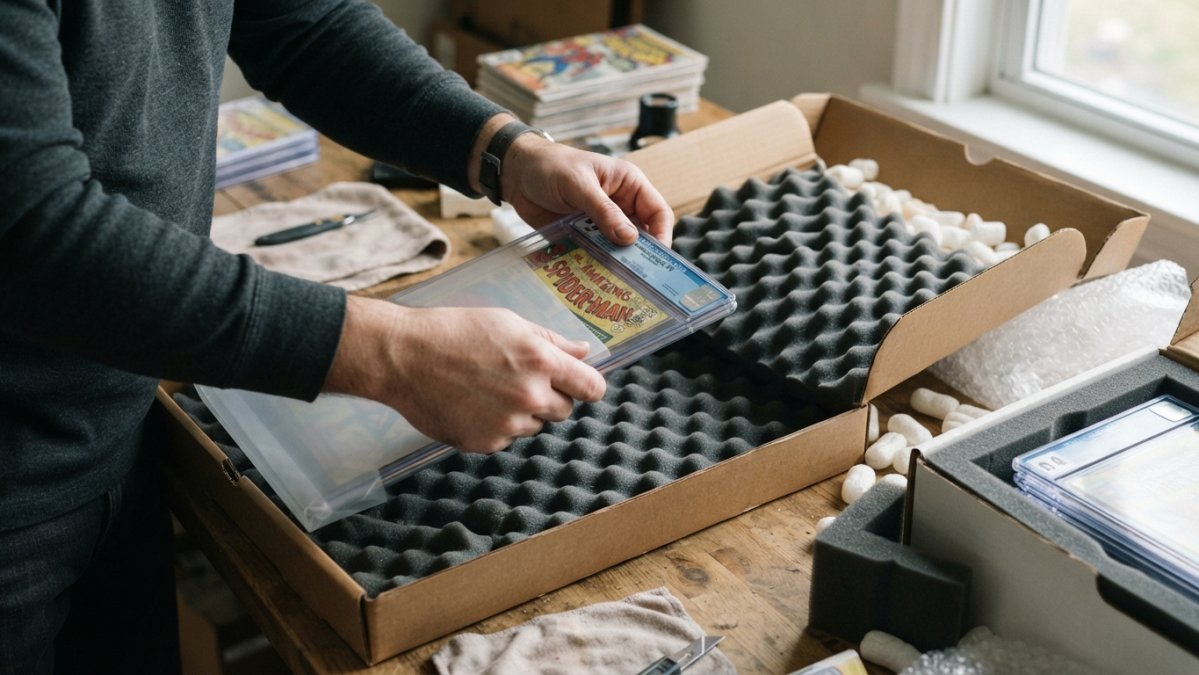
Cushioning materials and bumper protection
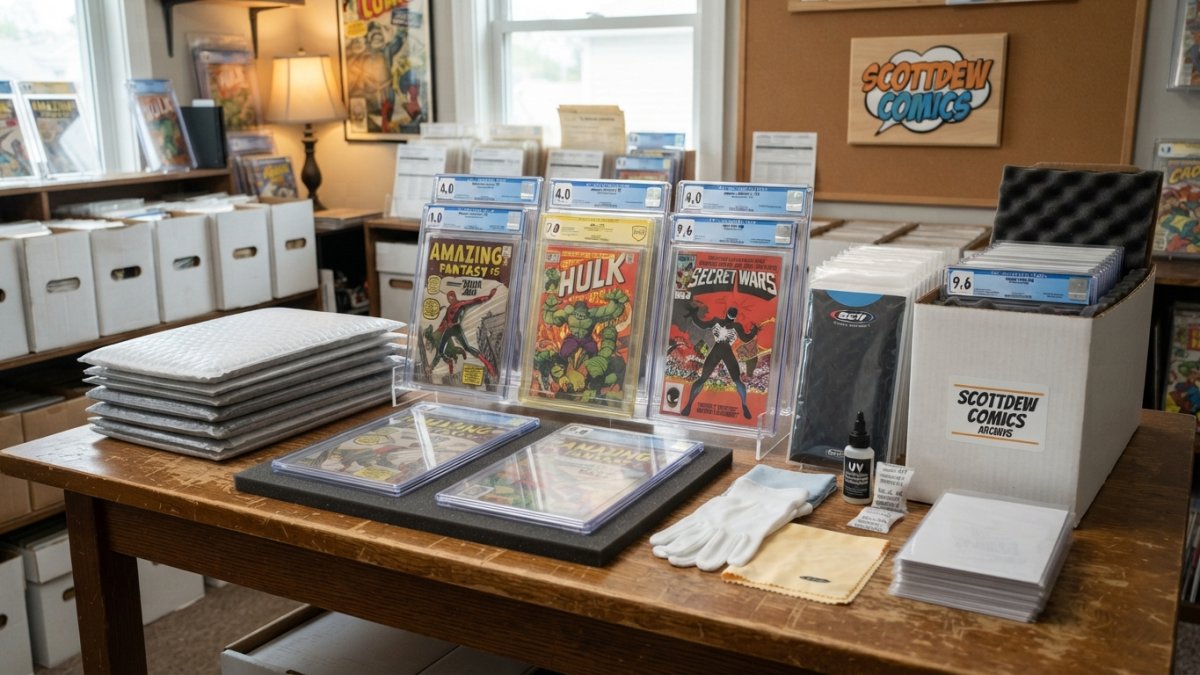
Bubble wrap is your friend for transport. Wrap each slab individually in bubble wrap, then place wrapped slabs in a padded box with additional cushioning around all sides. The goal is to prevent the slab from shifting during transit.
For high-value slabs, consider corner protectors or foam bumpers. These attach to the corners of the slab and absorb impact if the box gets jostled. They add minimal bulk and remove significant risk.
When mailing slabs, use a rigid box, not a padded mailer. Padded mailers flex and bend, which can crack slabs. Rigid boxes keep the slab stationary throughout shipping.
Step-by-step safe handling procedures
Step 1: Inspect before handling. Check the slab for existing damage so you know what you're working with.
Step 2: Use both hands. Never carry a slab with one hand.
Step 3: Avoid the face. Don't grip the front of the slab where the comic is visible.
Step 4: Keep it level. Don't tilt or angle the slab while moving it.
Step 5: Set down carefully. Don't drop slabs onto surfaces, even soft ones. Place them down gently and deliberately.
Step 6: Secure for transport. If moving multiple slabs, stack them vertically with cardboard separators between each one.
6. Consider a Comic Book Slab Reholder When Damage Occurs
Sometimes a slab gets damaged despite your best efforts. A crack in the holder, a compromised seal, or a chipped corner might prompt the question: should I reholder?
When reholdering makes sense
Reholdering makes sense when the slab itself is physically damaged and you want to preserve the comic inside. A cracked or chipped holder doesn't protect the comic anymore.
The reholder service covers the removal, cleaning, and re-slabbing of your comic. The new holder gets a new label, which means your original grade is preserved but the label date changes.
Reholdering also makes sense if the original label has faded or become unreadable due to light exposure or environmental damage. A fresh label restores the slab's visual appeal and maintains the grade's credibility.
Reholdering costs and timeline
The reholdering fee is reasonable for most comics, but the timeline varies. During peak periods, turnaround can be 4-6 weeks. Plan accordingly if you're reholdering valuable slabs for display or sale.
One thing to understand: reholdering changes the label date. Collectors notice this. A 1990 comic reholdered in 2026 will have a 2026 label, which affects perception and resale value for some buyers. This is why prevention through proper storage and handling is always preferable to reholdering.
7. Organize and Display Your Growing Collection Safely
As your collection grows, organization becomes critical. You need to know what you own, where it is, and how to access it without damaging anything in the process.
Display solutions that balance visibility and protection
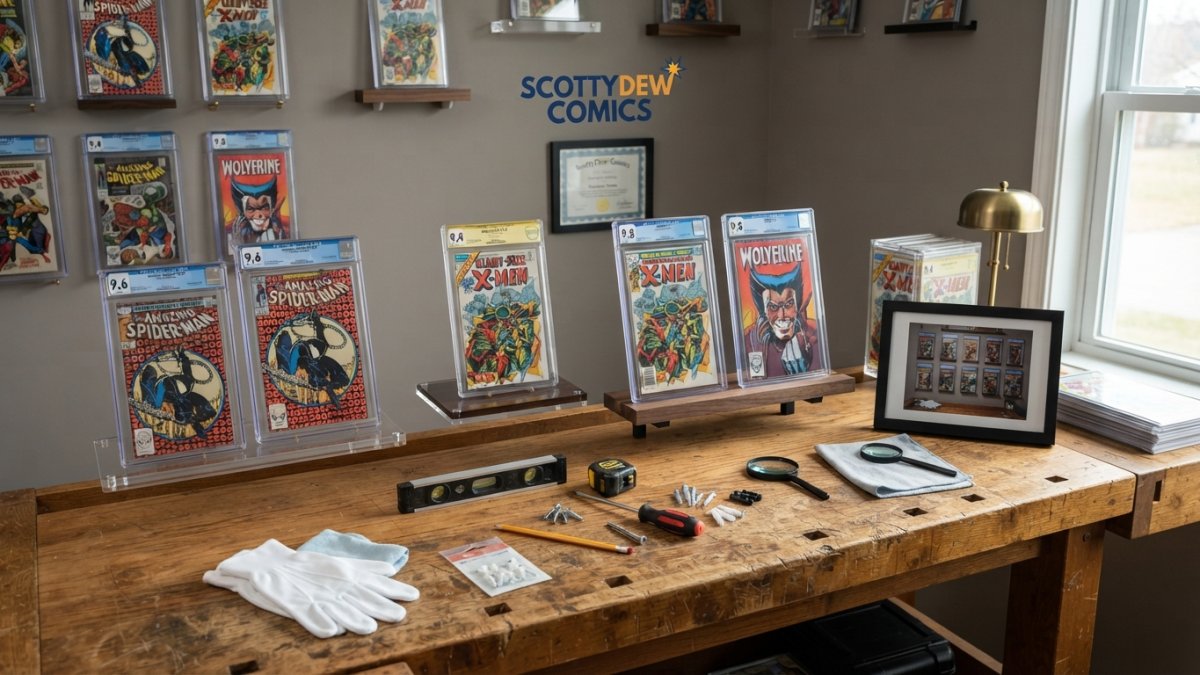
The Wham! Stand from Scottydew Comics is designed specifically for displaying slabs with both style and protection. It holds your slabs upright so you can see them while keeping them secure and stable.
For larger collections, a combination of display and storage works best. Keep your most valuable or favorite slabs on display in protected conditions. Store the rest in acid-free boxes in a climate-controlled area.
Glass display cabinets with UV-blocking glass offer the highest level of protection for displayed slabs. They keep dust and light exposure minimal while showcasing your collection.
Cataloging and monitoring your slabs
A simple spreadsheet tracks what you own: comic title, issue number, grade, grading company, and current location. Add photos of high-value slabs so you have a visual record.
Check your collection quarterly. Look for signs of damage, label fading, or environmental issues. Early detection prevents small problems from becoming major ones.
For collectors using Scottydew Comics' live auction platform on Whatnot, cataloging becomes even more valuable.
| Protection Method | Best For | Effort Level | Cost |
|---|---|---|---|
| Snug outer sleeves | Storage and handling | Low | Budget-friendly |
| Climate-controlled storage | Long-term preservation | Medium | Moderate |
| UV protection film | Display | Low | Low to moderate |
| Display cabinets | Showcase collection | Medium | Higher |
| Reholdering service | Damaged slabs | Low | Moderate |
Your graded comic slab collection represents more than just money, it's a personal archive of stories, art, and collecting passion.
Frequently Asked Questions
How do you protect a graded comic book slab from scratches?
Use snug outer sleeves or resealable bags designed for graded slabs to create a protective barrier against surface scratches and scuffs. A tight fit prevents the sleeve from sliding around during storage or handling. For displayed slabs, apply UV-protective films or coatings. When handling, always grip the slab by its edges, never the face, and keep your hands clean and dry.
What is the safest way to store graded comic books?
Store graded comics in a cool, dry environment with stable temperature and humidity levels. Place them upright or flat in acid-free boxes or dedicated storage containers, never in damp basements or hot attics. Keep them away from direct sunlight and moisture. Use snug outer sleeves for each slab, and consider organizing them by grade or title for easy monitoring and inventory management.
Can sunlight damage a graded comic slab?
Yes. Direct sunlight causes UV-related fading and discoloration of the comic book and the slab label over time. UV exposure can also weaken the protective plastic. Use UV-blocking films or display your slabs in cabinets with doors or behind UV-filtering glass. Position displays away from windows and bright artificial light sources to preserve color and condition.
When should a damaged comic slab be reholdered?
Consider reholdering if the slab holder is cracked, severely scratched, or visibly damaged in a way that compromises protection or aesthetics. Reholdering replaces the outer holder while preserving the original grading label and certification. Reholdering is a cost-effective alternative to accepting permanent damage to your display or collection value.