 How-to
Are Live Auctions the Best Way to Engage Comic Collectors?
Quick Summary
The most engaging live shopping experience for comic collectors combines a host who shows books up close, real-time chat questions, and interactive segments. Mystery box openings, grade-the-raw challenges, and chat-picked auctions keep viewers watching and returning. Clear on-camera verification builds the trust that drives repeat bidding.
- Show each graded book's label to the camera and read the certification number aloud.
- Keep mystery boxes to five items or fewer, since longer boxes lose chat attention.
- Run one opening segment, one mid-show interactive break, and one closing segment each show.
- Disclose defects like color breaks or restoration plainly before opening bidding.
- Hold a recurring weekly slot at the same day and time so viewers can plan around it.
Table of Contents
- What Makes a Live Shopping Experience Engaging for Collectors
- Interactive Live Shopping Ideas That Keep Viewers Watching
- Building Trust Through Authentication and Item Verification
- Live Auction Tips for Sellers Who Want Repeat Bidders
- Planning Weekly Live Shopping Events That Build Habit
- Choosing Live Shopping Platforms for Creators
- Booking Your Next Scottydew Comics Live Show
- Frequently Asked Questions
What Makes a Live Shopping Experience Engaging for Collectors
Live shopping works best when it feels like a show that happens to sell comics. For serious and casual collectors alike, the draw is the energy in the room: a host opening a sealed box, viewers typing questions, and bids climbing in real time.
The keyword that matters most here is the live shopping experience you build, not just the product list. Viewers stay when they feel included. They return when the show has a rhythm they can count on.
How live shopping actually works for comic collectors
A typical live session runs on a streaming platform. The host shows items on camera, reads out the price or starting bid, and takes questions from the chat. Viewers can buy or join an auction.
For collectors, the format has a few parts that matter:
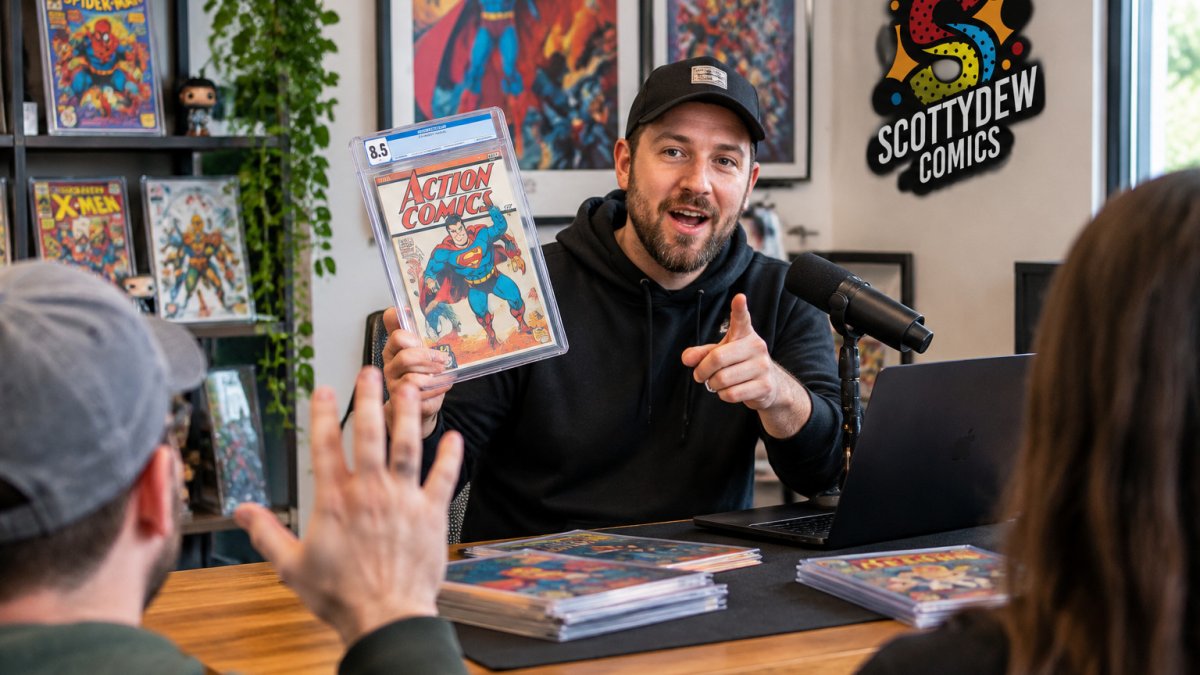
- The host shows the book up close. Turning a graded slab slowly to the light lets viewers check the cover and label.
- Chat moves the pace. Questions about grades, pressing, or variants get answered on air.
- Auctions add a clock. A countdown creates urgency, and that urgency is part of the fun.
Many collectors find that the mix of education and excitement is what keeps them coming back.
Why real-time interaction beats a static product listing
A product listing shows a photo and a price. A live show shows the book, answers the question you were about to type, and lets you react with others in the moment. That exchange builds trust faster than any product description can.
- Viewers can ask about spine wear or cover creases before buying.
- The host can point out details a photo hides.
- Other viewers' reactions make a purchase feel social, not solitary.
A common mistake is treating live shopping as a simple video ad. The viewers who buy most often are the ones who feel part of the conversation.
Interactive Live Shopping Ideas That Keep Viewers Watching
Interactive ideas give viewers a reason to stay past the first five minutes. For comic audiences, the best formats are built around the things collectors already argue about: grades, variants, keys, and the thrill of a reveal. Here are formats that work, with the mechanics that make them run.
-
Mystery box openings with a chat guess. Reveal a sealed bundle one item at a time, and let chat guess the next book. Run it as a three-round segment: first round is a cheap teaser item, second round is a mid-tier book, and the final round is the headline item. Announce the number of items in the box before you start so viewers know how long the segment will run. A common pattern is to keep each box to five items or fewer; longer boxes lose the chat's attention. Practical guidance on avoiding overpaying is useful for sellers who want bidders to return.
-
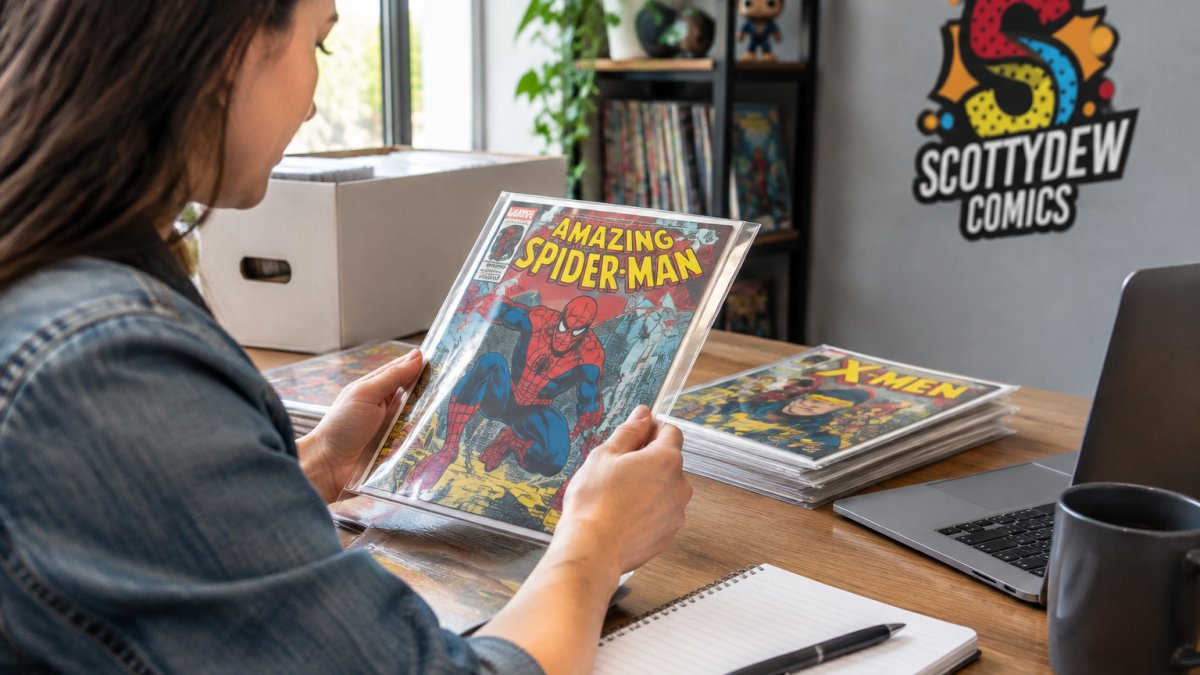
Grade-the-raw challenge with a reveal card. Show a raw comic under good lighting, let viewers type their grade guess in chat, then reveal the professional score. To make it fair, show the same angles every time, front cover, back cover, spine, and centerfold if the book is unrestored. This segment works because it teaches grading vocabulary while it entertains.
-
Chat-picks auction with a shortlist. Let the audience vote on which item goes on the block next. Give chat three options and a 60-second window to vote using a platform poll or a simple emoji reaction. The host then runs the winning item first. This gives viewers ownership of the show's direction without letting the auction spiral into chaos.
-
Themed nights with a defined scope. Run a show around one publisher, one decade, or one character, such as a Spider-Man night. The scope should be narrow enough that a collector can decide in advance whether the night is for them. A themed night also gives you a natural segment structure: open with affordable reader copies, move to mid-grade keys, and close with one high-grade showcase item.
-
Trivia breaks with a collector angle. Ask a quick question between items and give a small prize to the first correct answer. Keep the question tied to the night's theme, first appearance trivia, cover artist trivia, or publication history. A trivia break gives the host a moment to reset the table and gives chat a reason to stay engaged between lots.
-
Audience-submitted items. Invite collectors to submit a book for a show-and-tell segment. The host shows the item on camera, asks the submitter a few questions, and lets chat comment. This turns viewers into participants and gives people who are not buying a reason to attend. Set a clear submission deadline and a simple content policy before you open submissions.
-
Collection reveal with a story. Ask a guest collector to walk through a themed run or a personal grail. The host acts as interviewer, not seller. This segment builds community because it treats collecting as a shared hobby rather than a transaction.
Pick two or three of these for each show. For a real example of an engaging live show, watch the podcast discussing an exclusive release. Too many formats in one hour can feel chaotic.
Building Trust Through Authentication and Item Verification
Collectors buy high-value books when they trust what they are buying, and trust is built on clear, repeatable steps shown on camera.
A repeatable on-camera verification workflow
Use the same sequence for every graded item so viewers learn what to expect:
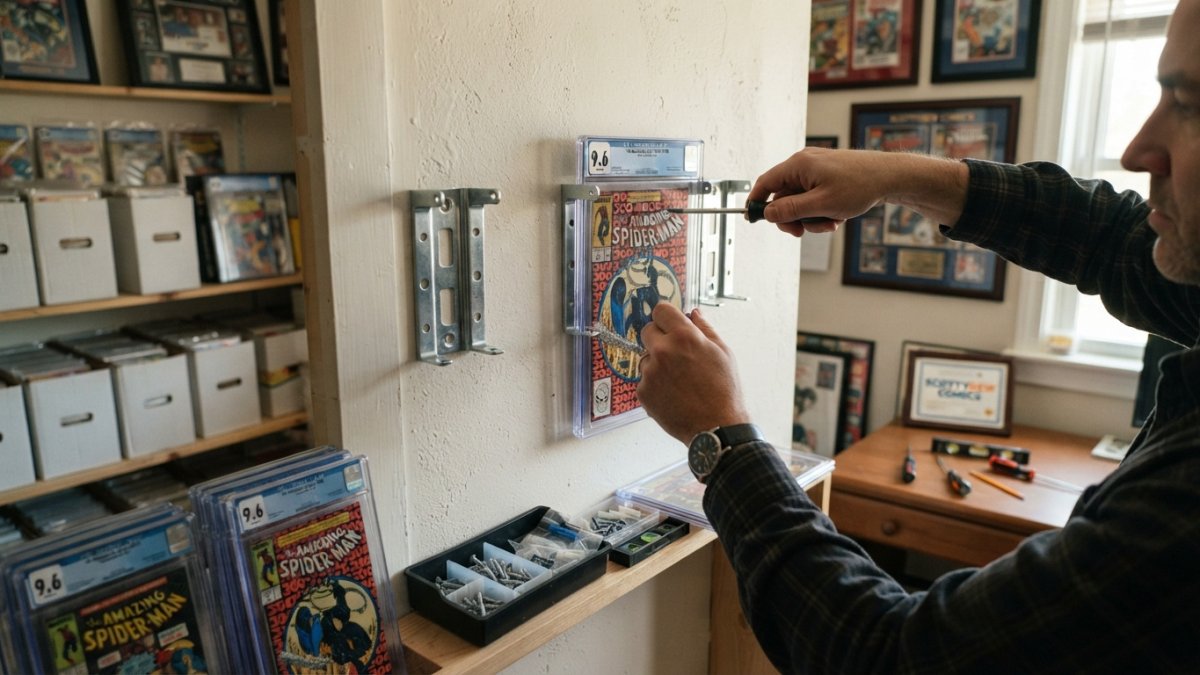
- Show the slab label first. For concrete methods to check authenticity before trusting a seller, review ways to verify graded comic authenticity. Hold the label steady to the camera and read the book title, issue number, grade, and certification number aloud. Give viewers a few seconds to write the number down.
- Show the holder condition. Tilt the slab so viewers can see scratches, scuffs, or cracks in the holder. Disclose any damage to the holder separately from the book's grade.
- **** Where the grading service offers a public certification lookup, open it on screen and show the result matching the label. If the lookup is unavailable during the show, say so and offer to send the result to any viewer after the show.
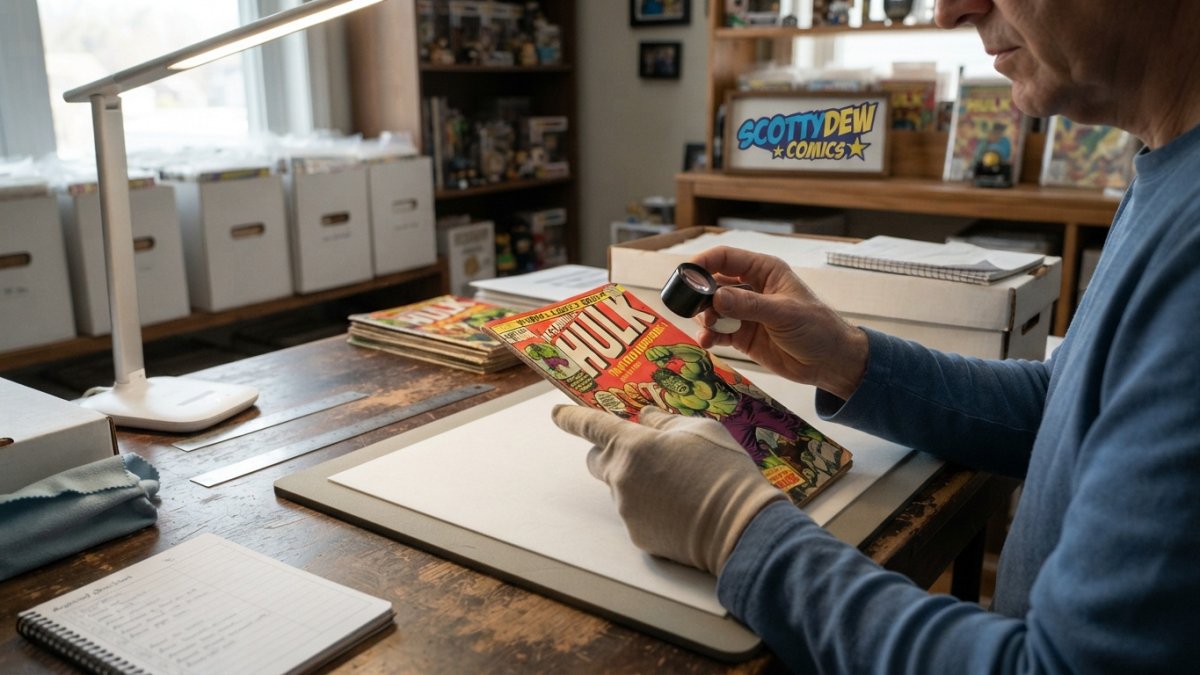
- Show the book itself. Turn the slab slowly under direct light so viewers can check the cover, spine, and corners. For raw books, show front cover, back cover, spine, and centerfold.
- State the defects plainly. Name color breaks, creases, restoration, trimming, or missing pages before you open bidding. A short disclosure script, "This copy has a color-breaking crease at the top right and light spine stress", is better than a vague "see photos."
Disclosure standards for raw and restored books
Raw books carry more risk than graded books, so the disclosure has to be more specific. Before the show, write a one-line condition note for each raw item and read it on air. For restored books, state the type of restoration if known, color touch, tear seal, piece replacement, or trimming, and note that the grade reflects the restored state.
Provenance and seller history
Provenance matters most for high-value keys and pedigree copies. If a book comes from a known collection or has documentation, show the paperwork on camera. If there is no provenance, say so. For consignment items, identify the consignor's relationship to the book when possible, original owner, dealer, or estate, without disclosing private information. A common pattern among trusted sellers is to keep a simple consignment log that records where each item came from and when it was received.
Handling hard questions on air
Answer hard questions rather than avoiding them. If a viewer asks about restoration, press, or trimming, repeat the question so everyone can hear it, answer directly, and show the area on camera. If you do not know the answer, say you will follow up after the show and then actually follow up in the recap post. Viewers remember which sellers dodged and which ones answered.
A simple pre-show checklist
- Certification numbers written down and checked against the public lookup.
- Condition notes written for every raw item.
- Restoration and provenance disclosures prepared for high-value items.
Live Auction Tips for Sellers Who Want Repeat Bidders
Live auctions reward sellers who plan.
Some tips that help:
- Open with a lower starting bid to get early bidding going.
- Describe condition plainly so bidders know what they are bidding on.
- Keep the pace steady. Long pauses lose attention.
Sellers who follow these habits often see the same names in chat show after show.
Planning Weekly Live Shopping Events That Build Habit
Consistency is what turns casual viewers into regulars. A recurring slot, such as a Tuesday night show, gives people a reason to plan around it.
A simple weekly plan might look like this:
- Same day and time every week, announced in advance.
- One signature segment that returns each show, like a weekly trivia round.
- A special theme every few weeks to keep things fresh.
Watch out: changing the schedule without notice can cost you the audience you worked hard to build.
Choosing Live Shopping Platforms for Creators
Creators have several platforms to choose from. Pick based on your audience, your fee structure, and how you like to run shows.
| Platform type | Best for | What to check |
|---|---|---|
| Dedicated live-shopping apps | Collectibles and trading cards | Seller fees, audience size |
| Social video platforms | Reaching new viewers | Shop features, discovery reach |
| Website-based streaming | Full control of branding | Setup cost, technical support |
Before committing, test a short show and check the fee and payout details. Platform pricing changes often, so confirm current terms directly with each provider.
Booking Your Next Scottydew Comics Live Show
Ready to see these ideas in action? Scottydew Comics runs themed live shows built around comic book collecting, including Tuesday Night with ScottyDew and Mixed-Up Saturday. Viewers can join live auctions, pick up exclusive releases and bundles, and join a community that includes sticker giveaways.
To book a show or ask about hosting, use the contact page on the Scottydew Comics website. For current availability and details, reach out directly.
Frequently Asked Questions
What makes a live shopping experience engaging?
An engaging live shopping experience gives viewers a reason to stay and take part. The strongest formats combine real-time Q&A, close-up product demonstrations of graded slabs and key issues, and host reactions to bids and comments. Viewers who can ask about a book's condition and see it turned in the light are more likely to bid with confidence. Pacing matters too: short, themed segments and clear announcements about what is coming next keep people in the stream instead of drifting away.
How can live shopping build a collector community?
Community forms when viewers return for the same recurring experience and recognize each other. Themed weekly shows, regular sticker giveaways and host shout-outs to frequent viewers all help. Collectors also value spaces where they can talk about runs, grading and favorite characters, not just buy. Scottydew Comics runs its themed shows and community events with a 5.3K+ member community in mind, so newcomers and seasoned collectors share the same stream.
How do you host a successful live auction for collectibles?
Start with clear rules: opening bid, bid increments, how the winner is confirmed and when payment is due. Describe each lot's grade, label and condition in plain language and show it on camera. Limit how many lots run back to back so bidders can follow along. Pricing and shipping terms vary by lot and by date, so check the current listing or contact Scottydew Comics directly for specifics rather than relying on a general figure.
How often should a brand host live shopping events?
A consistent weekly schedule works better than sporadic big events because viewers learn when to show up. Many collectors respond well to one or two recurring themed shows per week plus occasional special drops. The right rhythm depends on your audience and your capacity to prepare, so start with a schedule you can sustain for at least a month and adjust based on viewer turnout and repeat attendance.