 How-to
Is Online Comic Bidding Safe for Beginners?
Last Updated: November 12, 2026
Quick Summary
Online comic bidding can be safe for beginners who take precautions, but it carries real risks. Set a maximum bid that includes all fees before the auction opens, check photos closely for condition, and pay only through the platform's official system.
- Check recent sold prices for the same title, issue, and grade before you bid.
- Write down your maximum bid, including every fee, before the auction opens.
- Add buyer premium, shipping, insurance, and sales tax to find your real total.
- Review front, back, spine, and interior photos, and zoom in on corners and staples.
- Document suspicious bidding with screenshots and report it to the platform.
Table of Contents
- What Online Comic Bidding Involves and How It Works
- How to Bid on Comic Books Online Without Overpaying
- Online Comic Auction Fees and Total Cost Calculation
- How to Check Comic Book Condition Online
- Spotting Shill Bidding and Auction Manipulation
- A Beginner Safety Checklist Before You Place a Bid
- Starting Your First Bid With Low-Risk Steps
- Frequently Asked Questions
What Online Comic Bidding Involves and How It Works
Online comic bidding can work for beginners who take a few simple precautions, but it is not risk-free. Comic book bidding happens when buyers compete for a listing by placing offers, usually in a timed or live format, until the highest bid wins. Scottydew Comics runs live auctions on the Whatnot platform.
Bidding is a different experience from buying at a fixed price. You can't inspect the book in your hands, and the clock adds pressure. That combination is why beginners sometimes overpay or buy something other than what they expected.
Watch out: a new bidder who gets swept up in the countdown often wins a book they would never have chosen at a calm moment.
Auction Houses Versus Peer-to-Peer Marketplaces
There are two main ways to bid.
Live formats sit somewhere in between. Sellers present books in real time and can answer questions as lots move.
- Auction houses: Strong documentation, higher fees, and a more formal process
- Peer-to-peer marketplaces: Lower entry prices and a wide selection, with more reliance on seller reputation
- Live auctions: Real-time commentary and a social feel, with fast decisions
How to Bid on Comic Books Online Without Overpaying
Learning how to bid on comic books online starts with knowing what a book is worth before the first bid. Check recent sold prices for the same title, issue, and grade. Then set your limit based on that data, not on how much you want the book.
Setting a Maximum Bid Before the Auction Starts
A maximum bid is the highest amount you will pay, including every fee. Write it down before the auction opens. This single habit protects most beginners from emotional bidding.
Bid increments matter too. Small jumps near the end of a lot can add up fast. Decide in advance how many increments you will place, and stop when you reach your number. If the price passes your limit, let the book go and look for the next one.
Online Comic Auction Fees and Total Cost Calculation
The winning bid is rarely what you actually pay. Buyer premiums, platform fees, shipping, insurance, and sales tax can raise the final cost well above the hammer price. Many beginners skip this step and are surprised at checkout.
To calculate total cost, add the winning bid, any buyer premium, shipping, insurance, and applicable sales tax. Then compare that total with the recent sold prices you looked up earlier. If the total is too high, the book isn't a good deal for you, even if it looked like one.
- Hammer price (the winning bid)
- Buyer premium or platform fee
- Shipping and handling
- Insurance for graded or high-value books
- Sales tax where it applies
Read the seller's fee policy before you bid. Fees are sometimes described in the listing terms rather than the title, so check there first.
A Worked Total-Cost Example
Watch out: buyer premiums and fees can add meaningfully to the final cost, so calculate the total before the auction opens, not after you win.
Comparing Platforms on Total Cost
When you compare two listings for the same book, compare the all-in total, not the bid price. The platform with the lower visible price is not always the cheaper purchase.
Keep a simple spreadsheet or note for each auction: hammer price, premium, shipping, insurance, tax, and total.
Before you bid, add up every cost on top of the winning bid so you know the real price you will pay.
| Cost item | What it covers | Note |
|---|---|---|
| Hammer price | The winning bid | Set your maximum before the auction opens |
| Buyer premium or platform fee | Charged by the platform or seller | Read the fee policy in the listing terms |
| Shipping and handling | Getting the book to you | Add it to your total before bidding |
| Insurance | Protection for graded or high-value books | Common for high-value books |
| Sales tax | Applies only where it is required | Varies by location |
How to Check Comic Book Condition Online
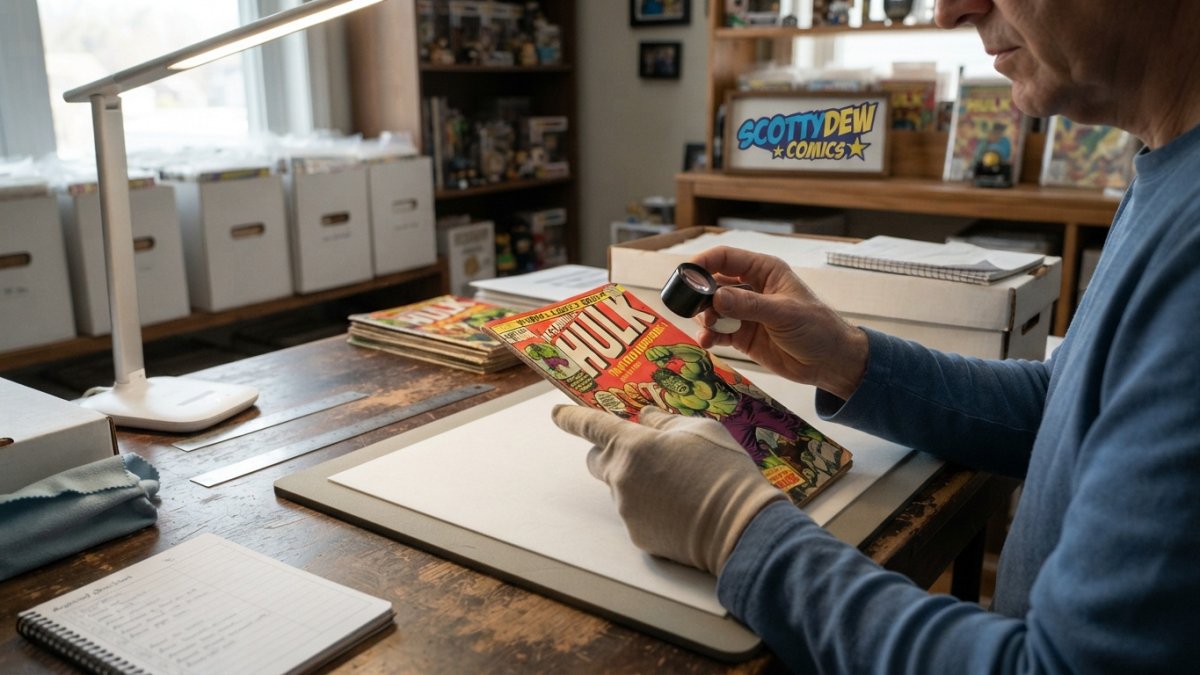
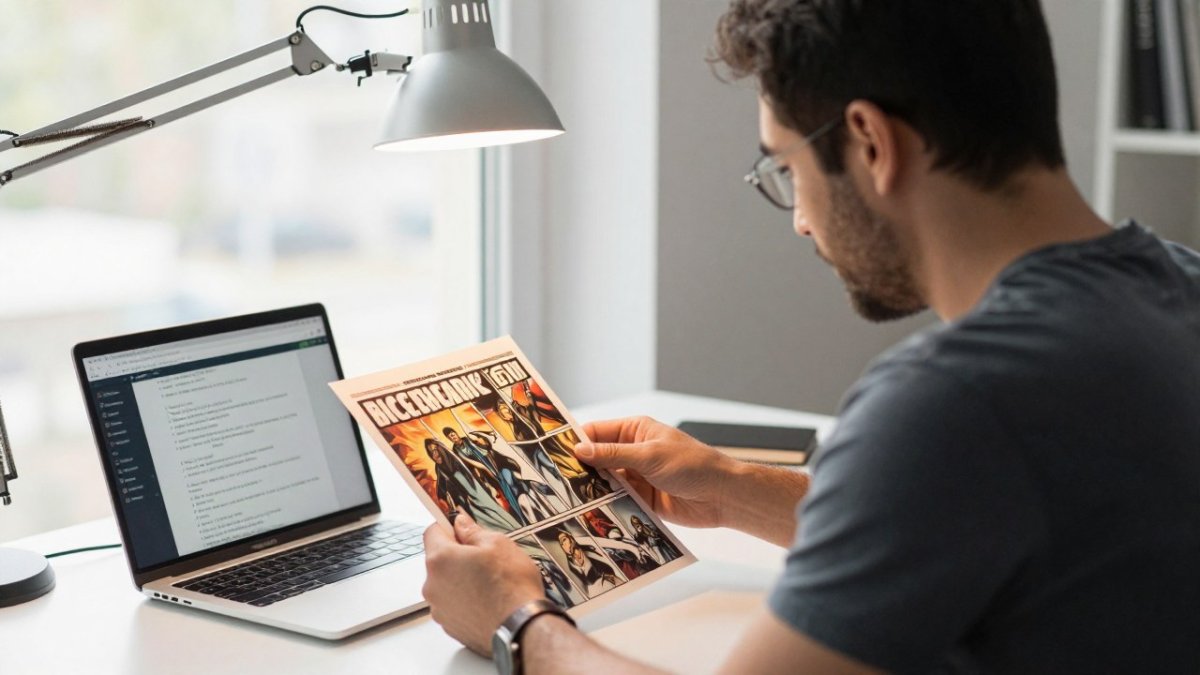
Photos can hide problems, so reading listing images carefully is a core skill. Learn how to preview comic lots before bidding when you can't inspect in person. Use this checklist for inspecting a raw key issue before buying to know what to look for. Look for clear shots of the front cover, back cover, spine, and interior pages. Zoom in on corners, spine stress, color breaks, and any staples. If the seller shows only the front cover, ask for more photos before you bid.
Undisclosed condition issues are a frequent concern among buyers. Compare the description with what the photos actually show. If the description says "near mint" but the spine looks stressed, treat that as a warning sign.
Grading, Slabs and Authentication Risks
Graded comics are sealed in protective holders called slabs, which carry a grade assigned by a third-party service. A slab can make a book easier to trust, but it does not guarantee that the grade is right for every buyer or that the book is authentic.
Counterfeit and altered books exist, so verify the slab and the book itself. Our guide to verifying graded comic authenticity walks through the checks step by step. Check that the holder is intact and that the label matches the book inside. When in doubt, ask the seller how they acquired the book and whether they can provide documentation.
Spotting Shill Bidding and Auction Manipulation
Shill bidding happens when someone places fake bids to push the price up. A seller, or someone working with the seller, may use a second account to drive competition. The result is a higher price for a buyer who never had a real chance to win cheaply.
Warning signs include the same account bidding repeatedly against a few regulars, bidders who never win anything, and sudden bid spikes with no clear buyer behind them. If you see this pattern, pause and consider whether the lot is worth the risk. Report suspicious activity to the platform rather than arguing in the chat.
Watch out: a bid war against an account that never wins is a classic setup, so step back early.
How to Document Shill Bidding Before You Report It
A report is stronger with a record. Before you contact the platform, capture the bid history page for the lot, including bidder handles, timestamps, and amounts. Take screenshots rather than copying text, because handles and timestamps can change or disappear after the auction closes. Note the seller's handle and the lot number in the same note.
Look for a pattern across lots, not just one auction. If the same bidder appears on several of one seller's lots and rarely wins any, that repetition is the evidence a support team can act on. One odd bid is noise; a repeated pattern across listings is a signal.
Reporting Shill Bidding to the Platform
Use the platform's official report or contact channel and describe what you saw in plain terms: which lot, which bidder handles, what pattern you noticed, and the screenshots you saved. Ask for a case or ticket number so you can follow up. Do not confront the seller or the suspected bidder in public chat; that can escalate the situation and may violate platform rules.
If you already won a lot and later suspect shill bidding, keep the listing page, your payment receipt, and all messages. Contact the platform's dispute or trust-and-safety team with that record and ask what remedies are available under its buyer-protection policy. Outcomes vary by platform, so read the policy before you bid rather than after.
Other Manipulation to Watch For
Shill bidding is not the only trick. Sellers can end a lot early when bids are low, relist the same book under a new title, or use a reserve price that is never disclosed. Some listings use inflated condition language to draw bids, then ship a lower-grade book. Treat any lot with vague photos, a short description, or a seller who pushes you to pay off-platform as higher risk, and walk away if the pattern repeats.
A Beginner Safety Checklist Before You Place a Bid
Before every bid, run through a simple checklist:
- I have checked recent sold prices for this exact title and grade.
- My maximum bid includes all fees, shipping, and insurance.
- I have reviewed the back cover, spine, and interior photos.
- The seller has a solid record of completed transactions.
- I understand the platform's return and dispute policy.
- I am not bidding because of time pressure.
Shill bidding, payment scams, and account takeovers are real risks. Use the platform's official payment system, avoid off-platform payment requests, and keep messages and receipts in one place.
Payment Security, Account Protection and Dispute Options
Protect your account with a strong, unique password and two-factor authentication where available. Never send money through a direct payment link a seller sends you privately. If a transaction goes wrong, use the platform's dispute process and document the problem with photos and messages.
Quick note: keep every screenshot of the listing and your receipt. They make disputes much easier to resolve.
Starting Your First Bid With Low-Risk Steps
Your first bid should be small and low-stakes. Choose a lower-value book, watch a few live lots first, and place a bid only after you have set your limit and checked the condition photos.
Track what you spend and what you learn from each auction. Over time you will build a feel for fair prices and reliable sellers.
Scottydew Comics runs live auctions, themed shows like Tuesday Night with ScottyDew and Mixed-Up Saturday, and community events. Join our community to discover rare treasures and find your first book.
Frequently Asked Questions
What are the downsides of online auctions?
Online comic auctions can leave you unable to inspect a book before paying, and shipping damage or misdescribed condition are common complaints. Final prices can climb quickly once buyer premiums, shipping and insurance are added. Competitive timed bidding can also push buyers past their budget. Setting a firm maximum bid, reading the seller's return policy and confirming grading and condition details before bidding reduce most of these risks for newer buyers.
Do online auctions have fake bidders?
Shill bidding, where a seller or associate places bids to push up the price, does happen in some auction formats. Warning signs include bidders with no history, a cluster of bids that never win and sudden bursts of activity on low-interest items. Checking bidder history and sticking to platforms with clear bid-manipulation policies lowers your exposure. If you suspect manipulation, report it to the platform before paying.
How can beginners tell if an online comic listing is trustworthy?
Look for clear, multi-angle photos including the front cover, back cover, spine and any defects. Check whether the seller states the grade, grading company and slab number for graded books. Read recent seller feedback for shipping and accuracy complaints. Be cautious of listings with stock images, vague condition language or requests to pay outside the platform.
What should I check before bidding on a comic book?
Confirm the title, issue number and variant match what you want. Review every listing photo and note any undisclosed wear, staple problems or color breaks. Calculate the total cost including buyer premium, shipping and insurance. Set your maximum bid in advance and decide whether the seller's return policy covers damage in transit.