 blog
Top Rated Comic Auctions Online: A 2026 Guide
Table of Contents
- What Makes a Top-Rated Comic Book Auction Platform
- How to Buy Comics at Auction: The Complete Process
- Comic Book Auction Fees: What You'll Actually Pay
- CGC Graded Comic Auctions: Why Certification Matters
- Key Issue Comics for Sale: Finding Investment-Grade Treasures
- Golden Age, Silver Age, and Bronze Age Comics at Auction
- Bidding Strategy and Avoiding Overpayment
- Selling or Consigning Your Comics Through Auctions
- Frequently Asked Questions
Last Updated: October 18, 2026
What Makes a Top-Rated Comic Book Auction Platform
When hunting rare comics through comic auctions online, the platform matters as much as the hunt. A top-rated comic book auction platform combines newcomer accessibility with depth for serious collectors, transparent bidding, and a community that cares about the hobby.
The best platforms offer clear auction schedules, detailed lot descriptions with grading information, and buyer protections. They also mix inventory: Golden Age classics, Silver Age key issues, Bronze Age gems, and modern graded slabs, so finding a first appearance or high-grade investment piece is easy.
At Scottydew Comics, we've built our reputation on live auctions through the Whatnot platform, where you can watch auctions in real time, ask questions directly, and bid alongside fellow collectors.
How to Buy Comics at Auction: The Complete Process
Most guides describe buying at auction as a four-step checklist: register, search, bid, pay. That is accurate but not useful. The difference between a good outcome and an overpay usually comes down to auction mechanics, proxy bidding, increments, reserves, and extended bidding.
Setting up your bidder account
Registration is easy: email, username, payment method, and sometimes identity verification for higher spending limits. Read the bidder agreement carefully, it covers the buyer's premium, payment deadline, return policy, and whether the house can bid on its own lots. Those terms govern disputes later.
Finding and evaluating listings
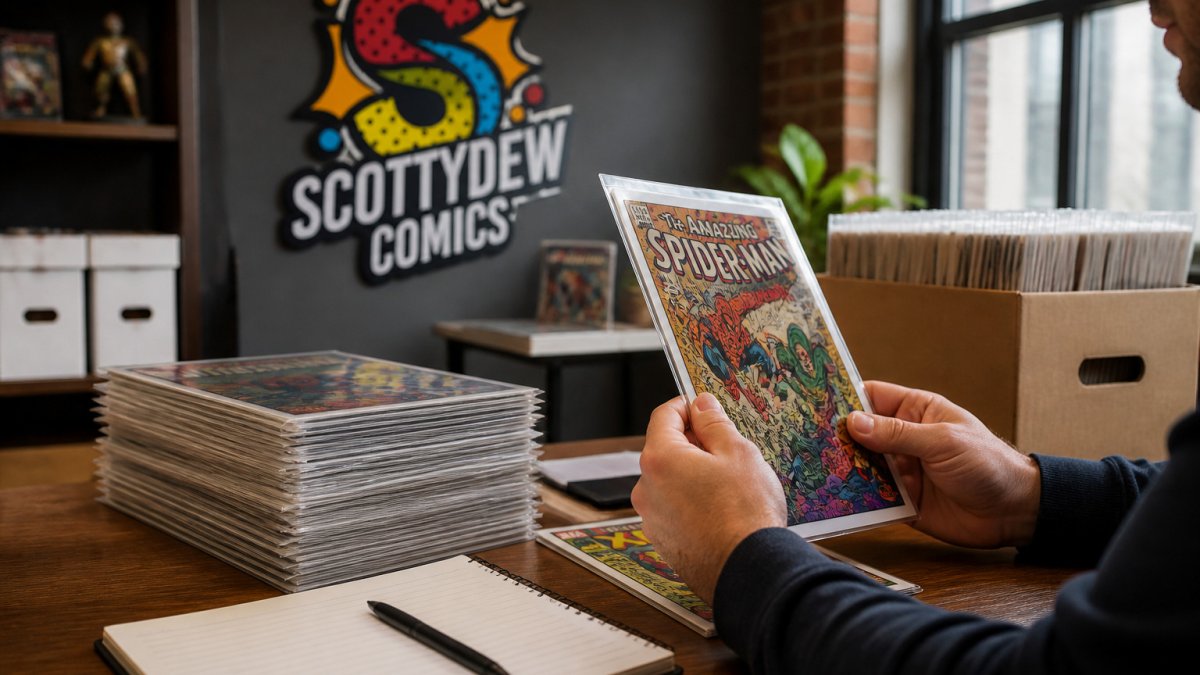
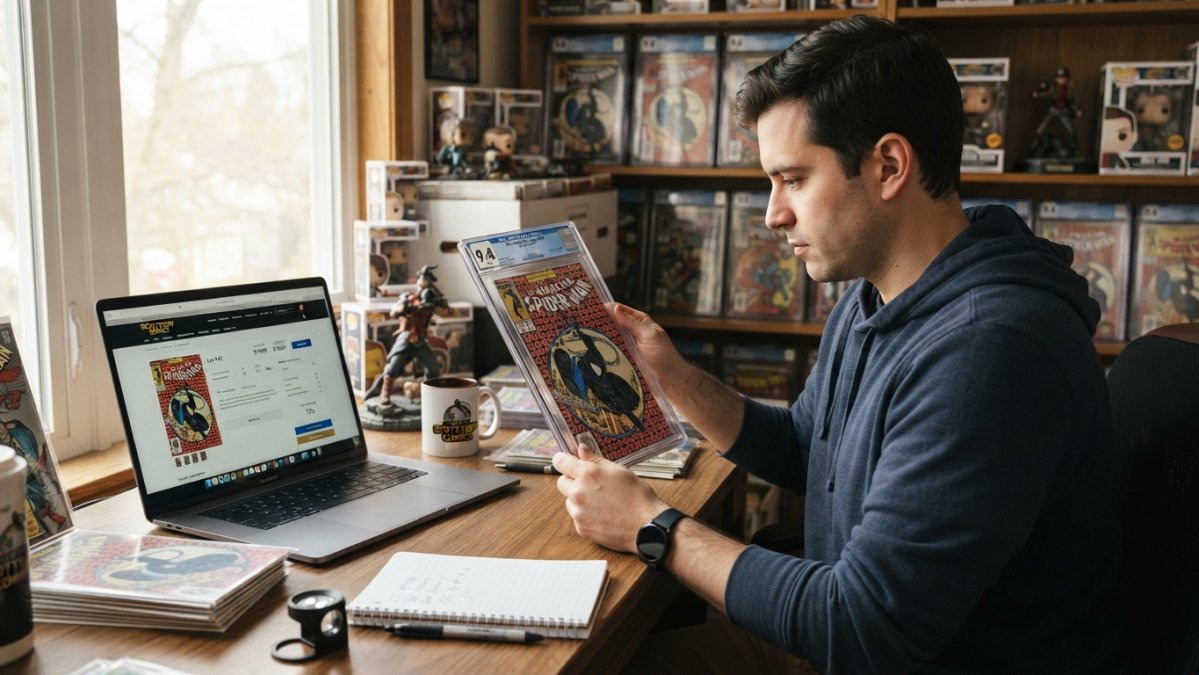
Filter by era, title, character, and grading company, then read the lot description for value-moving details: publication date, issue number, newsstand versus direct edition, disclosed restoration, and universal versus qualified label. For graded books, verify the grade via the certification number and check grader notes. For raw books, zoom the photos for spine ticks, color breaks, tanning, and staple rust, the defects that separate a 7.0 from a 9.0.
Pay attention to the sale format. A timed auction with a fixed close behaves differently from a live show with a caller and a clock, and a reserve sale differs from one without. Knowing the format before you bid is half the strategy.
Understanding auction mechanics before you bid
Bid increments. Platforms set minimum steps that vary by price tier, small at low prices, larger as the price climbs.
Reserves. A reserve is a hidden minimum the seller will accept. If bidding closes below it, the lot does not sell even if you are the high bidder.
Extended bidding and soft close. Many timed auctions add time whenever a bid arrives in the final minutes, preventing last-second sniping and pushing the endgame past the posted close.
Sniping risk. On platforms without extended bidding, a final-seconds bid can win before others react, but a dropped connection can cost you the lot.
Placing and winning bids
Decide your maximum before the sale, convert it to an all-in number using the fee math below, and enter it as a proxy bid. If you bid live, watch the increments and stop at your ceiling rather than chasing a rival. When you win, pay within the platform's deadline, prompt payment protects your bidder standing and matters if you later want to consign through the same house.
After the win
Confirm the invoice line by line against the fee schedule, check the shipping method and insurance amount, and inspect the comic on arrival against the listing photos and grader's notes. If something is materially not as described, follow the platform's dispute process promptly, most return windows are short and require documentation. Keep the listing photos and invoice together to support any claim.
Comic Book Auction Fees: What You'll Actually Pay
Most auction coverage stops at the hammer price. That is the wrong number to budget around. What actually leaves your account is the hammer price plus a stack of add-ons, and the add-ons are where collectors get surprised. Here is every line item, so you can estimate an all-in cost before you bid.
The line items that make up your total
Buyer's premium. The auction house's commission, charged on top of the winning bid.
Shipping and handling. For raw comics this is usually a flat per-lot or per-package charge; for graded slabs it scales with weight, insurance, and slabs per box.
Insurance. High-value shipments are typically insured, with the cost passed through or built into shipping.
Sales tax. Marketplaces and auction houses collect sales tax based on the buyer's ship-to address and the item's taxability there.
Payment surcharges. Credit card processing is sometimes absorbed by the house and sometimes passed through, and some platforms discount certain payment methods.
How to calculate an all-in estimate
Build the number from the top down rather than guessing a single multiplier:
- Start with your maximum hammer bid.
- Apply the buyer's premium using the sale's actual tier structure.
- Add the shipping and insurance estimate for the lots you expect to win.
- Add sales tax on the taxable portion.
- Add any payment surcharge.
The result is your true ceiling. If it exceeds what the comic is worth to you, lower your maximum bid, not your standards. A flat multiplier drifts further from reality as lot count and hammer price rise.
Comparing platforms on total cost, not headline premium
Two platforms can advertise the same buyer's premium and still deliver very different all-in costs. One may bundle shipping and insurance; another may charge per lot. One may absorb card fees; another may pass them through. Build the same hypothetical basket, say, one mid-grade Silver Age key and two raw Bronze Age lots, and run it through each platform's published fee schedule. The lower headline premium is not always the cheaper option.
Fees on the sell side
If you are consigning rather than buying, the same transparency applies in reverse. Seller commissions, minimum-value thresholds, photography and listing fees, and payout timing all affect what you net. Ask for the commission schedule in writing, confirm any per-lot minimum, and find out when payment is issued after the sale closes. A strong hammer price can net less than expected once seller-side deductions apply.
CGC Graded Comic Auctions: Why Certification Matters
CGC graded comic auctions dominate the high-end market because grading removes subjectivity. A CGC 9.2 is a CGC 9.2 regardless of who's buying or selling. This standardization protects your investment.
The CGC grading scale runs from 0.5 (Poor) to 10.0 (Gem Mint). Most collector-grade comics fall between 7.0 and 9.6. Higher grades command premium prices, especially for key issues.
When bidding on graded comics, understand the difference between grades. A 9.0 looks nearly perfect to the eye but has minor imperfections under magnification; an 8.5 shows light wear. The price gap reflects that real difference.
CBCS and other grading companies exist, but CGC remains the market standard. For investment, CGC graded comics have better liquidity and broader acceptance.
Key Issue Comics for Sale: Finding Investment-Grade Treasures
Key issue comics are first appearances, origin stories, and historically significant issues that hold value beyond nostalgia. They're the foundation of serious comic collecting.
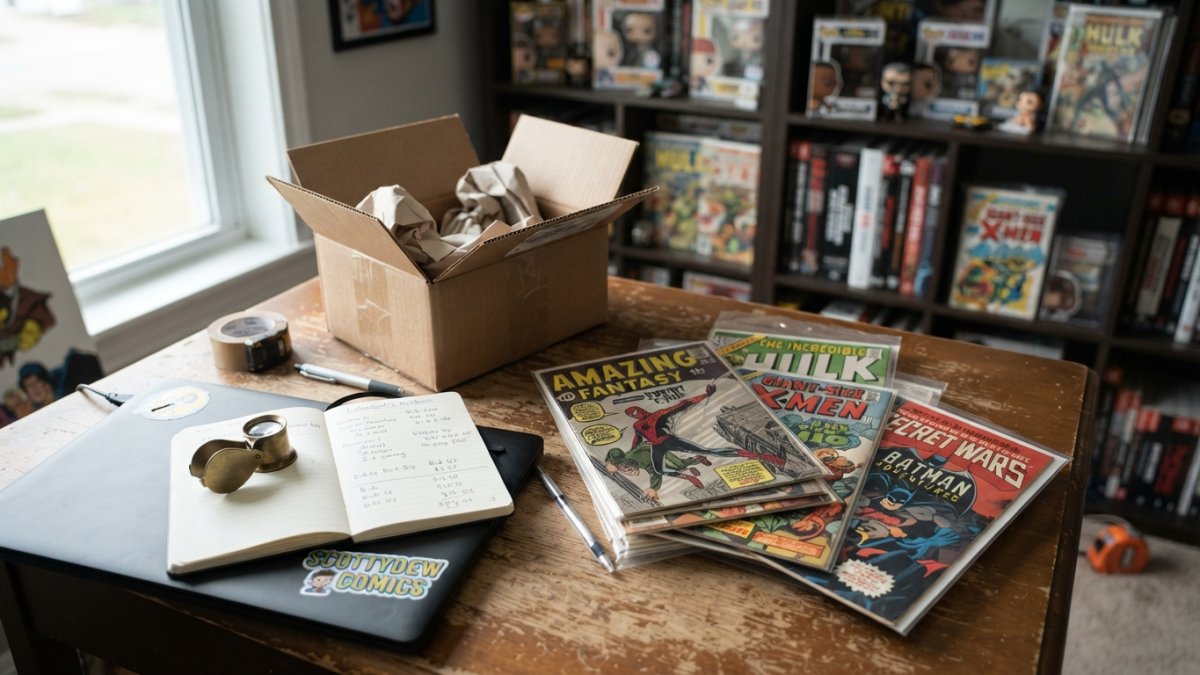
Look for first appearances of major characters: Amazing Fantasy #15 (Spider-Man), Action Comics #1 (Superman), Detective Comics #27 (Batman). These are expensive but hold value.
When hunting key issue comics for sale through auctions, research recent sales. What did similar copies sell for last month? That gives you a realistic market price. Auction prices spike and dip with bidder participation, so one sale might not reflect true value.
Focus on keys with strong demand. Spider-Man and Batman keys move faster and more predictably than obscure characters. For an investment portfolio, stick with characters and publishers with proven track records.
Golden Age, Silver Age, and Bronze Age Comics at Auction
These three eras define comic collecting, each with distinct characteristics and collector bases.
Golden Age (1938-1956): The rarest and most expensive comics, home to the first appearances of Superman and Batman. Most copies are either heavily damaged or extremely expensive.
Silver Age (1956-1970): Where modern Marvel and DC began, the X-Men, Fantastic Four, and first Spider-Man appearances are all Silver Age.
Bronze Age (1970-1985): More affordable than Silver Age but still valuable. First appearances of characters like Wolverine and Storm are Bronze Age, making this era perfect for collectors on modest budgets.
Each era has its own auction dynamics.
Bidding Strategy and Avoiding Overpayment
The most successful collectors approach auctions with discipline. Set your maximum bid before the auction ends, factor in all fees, and stick to your number. Emotion is your biggest enemy.
Bid on undervalued comics rather than popular ones. When everyone wants the same book, prices spike. Hunt for gems that others overlooked. A well-researched undervalued comic often delivers better value than a hyped key issue.
Watch auction trends over time. If a book consistently sells below market value, it might be your opportunity.
Avoid bidding wars. If someone repeatedly outbids you, let them win, there's always another copy coming to auction. Patience beats aggression in collecting.
Selling or Consigning Your Comics Through Auctions
When you're ready to sell, auctions offer visibility and competitive bidding that drives prices up. The tradeoff is seller fees and the time required to prepare your books.
Consignment is the easiest path for a large collection.
If you're selling individual books, direct auction listings give you more control: you write the description, set the reserve price, and manage the timeline.
Grading your books before selling increases their value and attracts serious bidders.
Price your opening bids conservatively. A low starting bid attracts bidders and competition drives the final price up. A high starting bid scares bidders away. Counter-intuitive, but it works.
Finding the right comic auctions online means choosing a platform that matches your collecting style.
Frequently Asked Questions
What are the best online comic book auction sites?
The best online comic auctions depend on your collecting goals. Look for platforms that offer a strong selection of rare comics, transparent grading standards, and active bidding communities. Scottydew Comics specializes in live auctions with curated collectibles and community events, making it an excellent choice for both casual fans and serious collectors seeking rare treasures and graded investment-grade comics.
How much do comic book auction sites charge in fees?
Comic book auction fees typically include buyer's premiums (charged to winning bidders) and seller commissions (charged to consignors). Always check the specific platform's fee structure before bidding, as total costs can significantly impact whether an item is a good investment or overpriced.
How do I know if a CGC graded comic is authentic?
CGC (Certified Guaranty Company) grading provides third-party authentication and condition assessment. Look for the official CGC hologram label on the slab, verify the comic's certification number on CGC's website, and purchase only from reputable auction platforms. Graded comics offer protection against counterfeits and disputes over condition, making them a safer choice for serious collectors investing in key issue comics.
Should I bid on ungraded or graded comics at auction?
Graded comics offer verified condition and authenticity but cost more due to grading fees and premiums. Ungraded comics carry more risk but can offer value if you're comfortable assessing condition yourself. For rare or expensive key issues, graded comics reduce dispute risk. For casual collecting or nostalgic finds, ungraded comics may provide better value if you're confident in the seller's honesty.