 blog
How to Buy Comic Books Online vs Local Shops
Last Updated: October 24, 2026
Quick Summary
You can buy comic books online through specialty retailers, marketplaces like eBay, and auction platforms like Whatnot, which offer broader selection and often lower prices on back issues and used comics compared to local shops. Online buying trades hands-on condition inspection for convenience and access to millions of listings, while local shops provide immediate gratification, expert guidance, and the ability to verify condition before purchase.
- Local comic shops typically stock 3,000-8,000 individual issues, while online marketplaces have access to millions of listings across thousands of sellers
- Online retailers often discount back issues 30-50% off cover price versus local shops at 10-25% off
- Graded slabs from services like CGC provide certified condition assessment and buyer protection for investment-grade comics purchased online
- Local shops let you inspect condition before buying, eliminating risk of misrepresented damage or wear on ungraded comics
- Smart collectors use both channels strategically: new releases from local pull lists, back issues from online auctions, and rare graded slabs from specialized dealers
Table of Contents
- Online Comic Stores vs Local Comic Shops: The Core Trade-Off
- Comic Book Prices Online vs In Store
- Selection and Availability: New Releases, Back Issues, and Rare Finds
- Condition, Grading, and Buyer Protection When You Buy Online
- Buying Used Comic Books: What to Know Before You Buy
- Best Places to Buy Comic Books Online and How to Evaluate Them
- How to Buy Rare Key Issue Comics: Strategy and Verification
- Building Your Hybrid Buying Strategy
- Frequently Asked Questions
Online Comic Stores vs Local Comic Shops: The Core Trade-Off
When you buy comic books online versus at a local shop, you're choosing between two fundamentally different experiences. Online retailers offer convenience, broader selection, and often competitive pricing. Local comic shops provide hands-on browsing, expert staff guidance, and a sense of community. Neither is universally better, the right choice depends on what you value most as a collector or casual reader.
The tension here is real. You could save time and money shopping online, but you might miss the discovery experience and personal connections that make local shops special. We've seen collectors navigate this choice in different ways, and the smartest ones typically use both channels strategically.
Let's break down what actually matters when you're deciding where to buy.
Comic Book Prices Online vs In Store
Online retailers and local shops price comics differently, and understanding why helps you make smarter purchasing decisions. New releases typically carry the cover price everywhere, but discounts diverge sharply after that.
Online stores often discount heavily on back issues, used comics, and collected editions. They can operate with lower overhead and pass savings to buyers. Local shops maintain higher margins on individual issues but sometimes offer loyalty programs, pull list discounts, or bundle deals that reward regular customers.
Used comics present the starkest price gap. Online marketplaces like eBay, Whatnot, and specialty sites frequently undercut local pricing because they aggregate inventory from multiple sellers. The trade-off: you can't inspect condition before purchase, and shipping costs eat into savings on lower-priced items.
| Purchase Type | Online Typical Range | Local Shop Typical Range | Best Value |
|---|---|---|---|
| New releases | Cover price | Cover price | Equal |
| Back issues (common) | 30-50% off cover | 10-25% off cover | Online |
| Used/damaged stock | 50-70% off cover | 25-40% off cover | Online |
| Rare graded slabs | Auction-based | Marked up 20-40% | Auction sites |
| Collected editions | 15-30% off | 10-20% off | Online |
Here's what most people miss: shipping costs matter more than the sticker price. For bulk orders, online shipping usually becomes negligible per item, flipping the advantage back to online retailers.
Selection and Availability: New Releases, Back Issues, and Rare Finds
Local comic shops typically stock 3,000-8,000 individual issues depending on store size. That sounds like a lot until you realize there are hundreds of thousands of comics in print.
Online marketplaces have access to millions of listings across thousands of sellers. You can find obscure issues, variant covers, first editions, and rare graded slabs that simply don't exist in your local inventory. Whatnot auctions, eBay, and specialty comic sites like Heritage Auctions make the impossible findable.
New releases create a different dynamic. If your local shop has a pull list system, you get guaranteed access to new drops without hunting. Many collectors appreciate this reliability.
The discovery factor favors local shops. Browsing physical shelves leads to unexpected finds, a recommendation from staff, a variant cover you didn't know existed, or a series that catches your eye. Online shopping is goal-directed: you search for what you want. You miss the serendipity.
Rare key issues and investment-grade comics almost always require online hunting. Local shops stock them occasionally, but serious collectors looking for specific CGC-graded slabs or rare first appearances rely on online auctions and specialty dealers. This is where online's selection advantage becomes decisive.
Condition, Grading, and Buyer Protection When You Buy Online
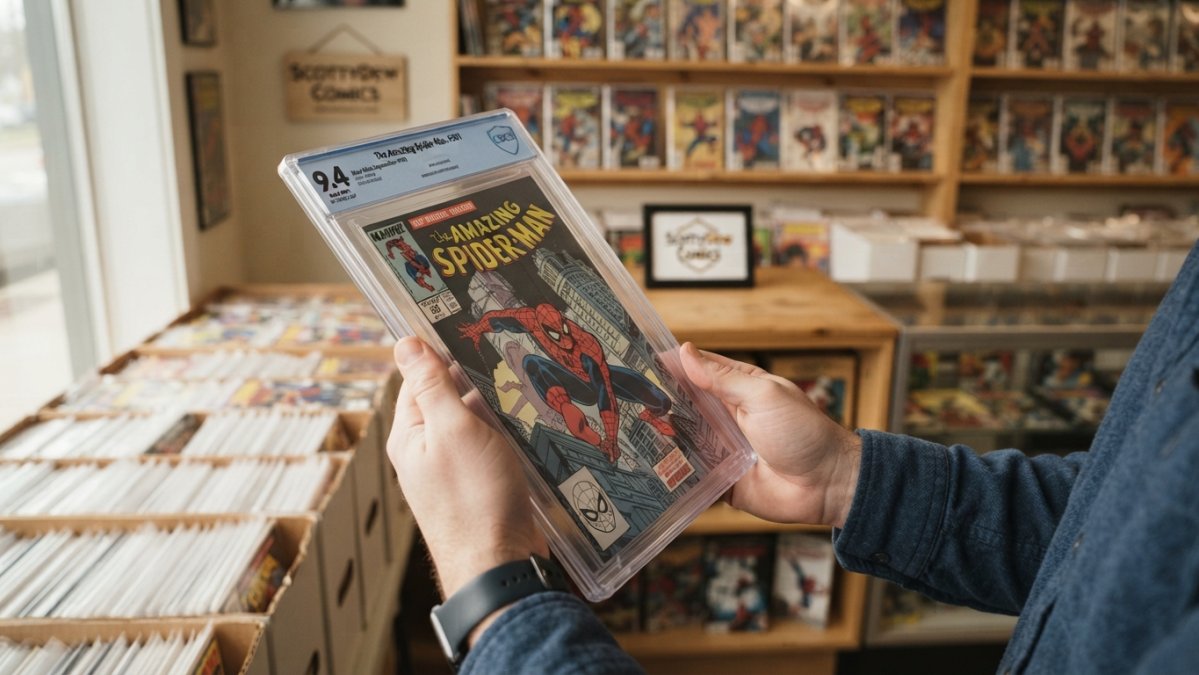
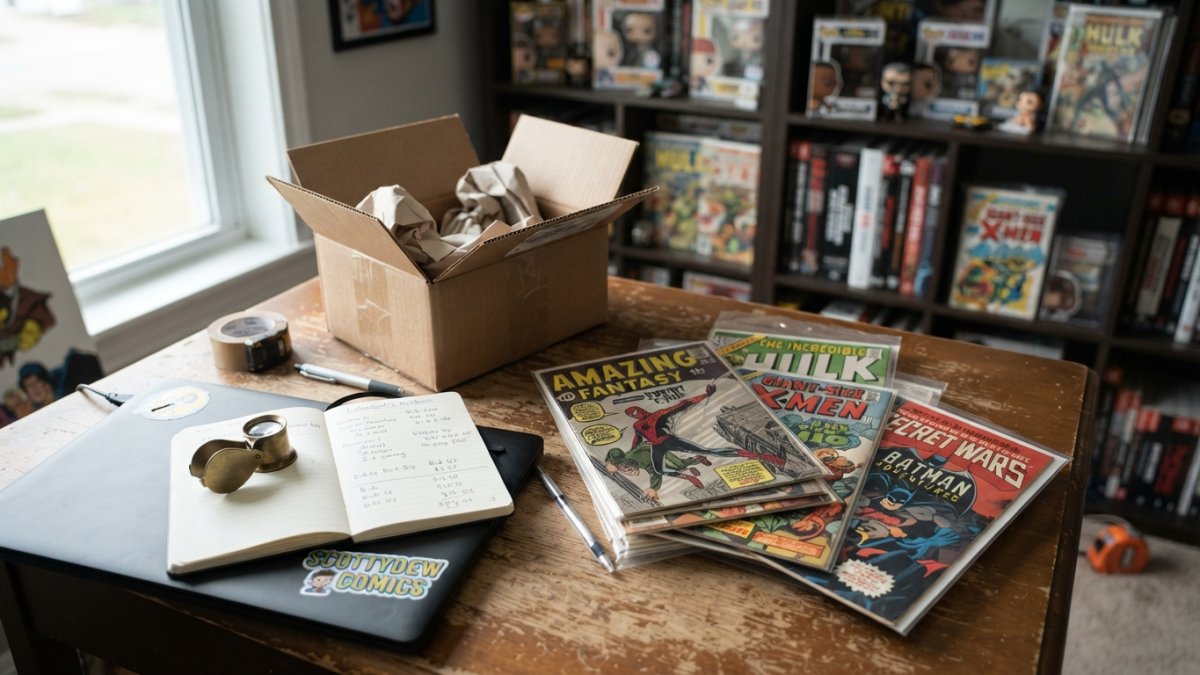
Buying comics online creates a fundamental problem: you can't inspect condition before purchase. A seller might describe a book as "fine" when it has creases, spine wear, or color fading you'd immediately spot in person. This is why grading matters online.
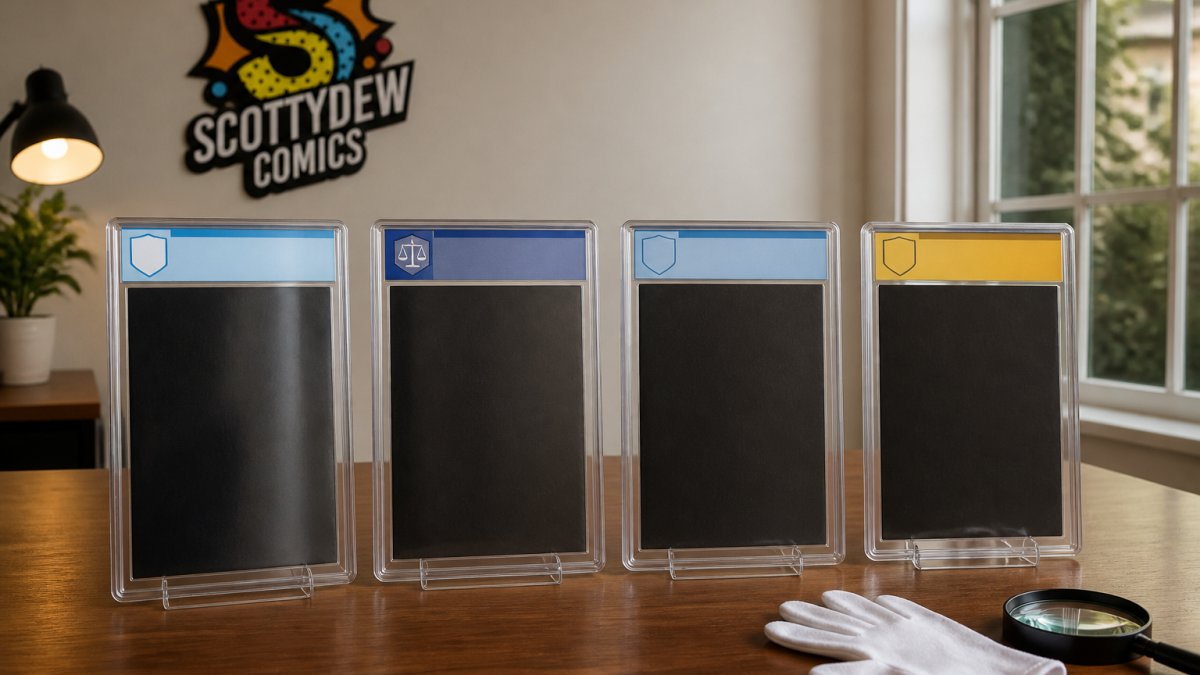
Third-party grading services like CGC, PSA, and Slab grades provide standardized condition assessment. Learn how to verify graded comic authenticity to ensure you're buying legitimate certified slabs. A CGC 8.5 means the same thing regardless of seller.
Ungraded comics online are riskier. Seller photos can be misleading. Lighting hides flaws. Angles obscure damage. Many reputable online sellers offer returns, but you're still taking a chance.
Local shops let you inspect before buying. You can check for creases, color breaks, spine damage, and binding issues. You see exactly what you're getting. This advantage is massive for ungraded comics and used stock.
For buyer protection online, look for sellers with strong ratings, clear return policies, and detailed photos from multiple angles. Platforms like Whatnot and eBay offer some recourse if items arrive damaged or misrepresented.
Buying Used Comic Books: What to Know Before You Buy
Used comics cost less, but condition varies wildly. A used comic might be "read once" or "read 50 times." The difference in value and reading experience is enormous.
Online sellers typically photograph used stock, but photos lie. A book that looks acceptable online might have loose pages, brittleness, or odors you can't detect from an image. Vintage comics from the 1960s-1980s are especially risky because aging affects paper quality unpredictably.
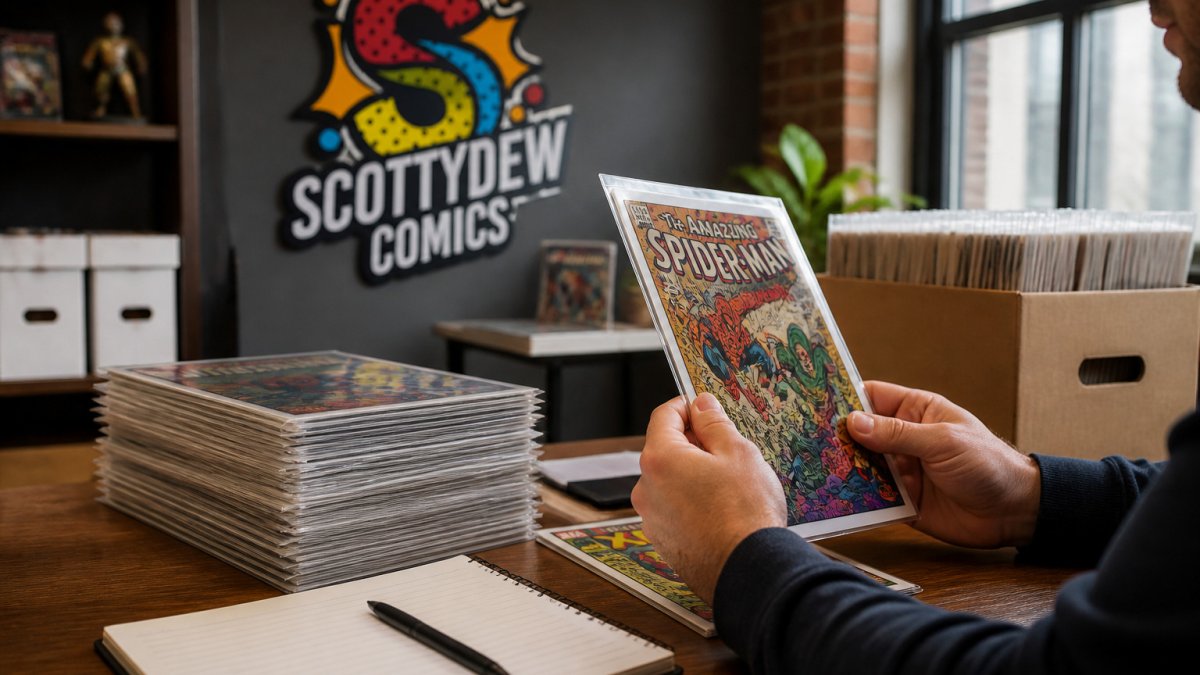
Local shops let you physically assess used inventory. You can open the book, check the spine, smell it (yes, smell matters, water damage, mold, and age create distinct odors), and feel the paper quality. This hands-on evaluation is invaluable for used purchases.
The pricing advantage of buying used online is real but smaller than it appears. The gap narrows when you account for shipping, and it disappears entirely if you're buying multiple items.
For vintage or rare used comics, online auctions often yield better prices because competition drives bidding. But for common used issues, local shops offer convenience and the ability to inspect condition, advantages worth paying a small premium for.
Best Places to Buy Comic Books Online and How to Evaluate Them
The major online channels for buying comics are specialty retailers, general marketplaces, and auction platforms. Each has different strengths.
Specialty comic retailers like Midtown Comics and Comic Book Plus focus exclusively on comics. They curate inventory, provide detailed condition descriptions, and often offer loyalty programs. Selection is excellent, though prices reflect their overhead.
General marketplaces like eBay aggregate thousands of individual sellers. You'll find the widest selection and often the lowest prices, but quality varies dramatically by seller. Read ratings carefully and check return policies.
Auction platforms like Whatnot and Heritage Auctions specialize in graded and collectible comics. These are best for investment-grade slabs and rare key issues. Prices can spike during bidding wars, but you're buying from verified dealers with established reputations.
When evaluating an online retailer, check these factors: Explore the best online comic auction sites to compare platforms and find the right marketplace for your collecting needs.
- Seller rating and history: Look for 95%+ positive feedback with hundreds of transactions
- Condition descriptions: Detailed descriptions with multiple photos beat vague listings
- Return policy: 14-30 day returns protect you against misrepresented condition
- Shipping method: Tracked, insured shipping matters for valuable books
- Grading standards: If graded, verify the grading service (CGC, PSA, Slab)
Scottydew Comics brings a different approach through live auctions on Whatnot, where you can watch condition assessments in real-time and ask questions before bidding. The interactive element adds transparency that static listings can't match.
Whatnot's comic book auction platform has become a major hub for collectors seeking rare finds with real-time verification.
How to Buy Rare Key Issue Comics: Strategy and Verification
Rare key issues demand a different buying strategy. These are first appearances, origin stories, and historically significant comics that command premium prices. You can't find them casually, you need to hunt deliberately.
Start by defining what "rare" means for your collection. A first appearance of a major character might cost hundreds or thousands. A variant cover from a popular series might be rarer but less expensive.
Online auction sites are essential for rare key issues. Heritage Auctions' comic book division catalogs thousands of rare books with professional grading and provenance documentation. eBay's auction format also works, though quality control is looser.
Before buying rare graded slabs, verify authentication. Use a beginner's guide to comic key issues to learn sourcing and authentication strategies for rare purchases. Check the grading label against the grading service's database.
For ungraded rare issues, condition assessment becomes critical. A rare first edition in poor condition might be worth significantly less than the same book in fine condition. Photos alone aren't enough.
The best approach to hunting rare key issues combines multiple channels: monitor auction sites for new listings, join collector forums where deals get shared, and build relationships with dealers who alert you to inventory matching your interests.
Building Your Hybrid Buying Strategy
The smartest collectors don't choose online or local, they use both strategically. New releases come from your local shop's pull list for reliability and community. Back issues and used comics come from online auctions for selection and price. Rare graded slabs come from specialized dealers.
This hybrid approach requires discipline. It's easy to overspend on online auctions or overlook local deals. Set clear rules: buy new releases locally to support the shop and get staff recommendations. Buy common back issues online where prices are lowest.
Consider the total cost, not just the sticker price. Factor in shipping, gas, time, and the value of condition certainty. A $10 back issue at your local shop might beat a $5 online version when you include $5 shipping and the risk of condition misrepresentation.
Collecting comics on a budget works best when you mix channels intentionally. Online volume discounts on common issues combine with local relationships that yield occasional deals or recommendations for undervalued books.
Choosing between online and local comic shopping isn't binary, it's about matching each purchase to the channel that serves you best. Online retailers excel at selection, pricing, and rare finds. Local shops offer condition certainty, discovery, and community.
Frequently Asked Questions
Are comics cheaper online or in store?
Pricing varies by retailer and title. Online marketplaces often offer discounts on new releases and bulk deals, while local shops may price competitively on back issues or offer loyalty discounts. Shipping costs can offset online savings for single purchases. The best approach is comparing specific titles across both channels, online stores excel at price transparency, while local shops may negotiate on rare or high-value items.
How can I check a comic book's condition before buying it online?
Request detailed photos from the seller showing the front cover, back cover, and spine. For graded comics, verify the CGC or PSA certification number on the holder matches the listing. Read seller reviews and return policies carefully. Reputable online retailers provide condition descriptions using standard grading scales (Near Mint, Very Fine, Fine, etc.). If photos are unavailable, ask questions or choose sellers with strong buyer protection guarantees.
Where should I buy rare or key issue comics?
Rare key issues require verification of authenticity and condition. Specialized online marketplaces, auction platforms with live bidding, and established comic retailers with authentication processes offer the best protection. Local comic shops with knowledgeable staff can source rare titles and verify provenance in person. For investment-grade slabs, prioritize sellers who provide certification documentation and have transparent return policies. Community-focused platforms often feature curated rare collections with expert guidance.
What's the difference between buying new releases and back issues online?
New releases typically have standardized pricing near cover price across retailers, making online ordering convenient for preorders and pull lists. Back issues vary widely in price based on rarity, condition, and demand, online comparison shopping is essential. Used back issues may have condition variations that require detailed photos or seller communication. Local shops offer the advantage of inspecting back issue condition in person and discovering unexpected finds through browsing, while online platforms provide access to inventory across the entire country.