 blog
Affordable Silver Age Keys That Rival the Expensive Ones
Last Updated: November 5, 2026
Quick Summary
Affordable alternatives to expensive silver age keys include lower-grade copies of the same historic issues, which keep the same story significance at a much lower price. Collectors can also look at Bronze Age books that carry comparable historical weight, such as first appearances of related characters or defining creative runs. Checking graded population and recent completed sales helps confirm real value before buying.
- Lower-grade copies of a key issue keep the same first appearance and story significance.
- Compare recent completed sales for two grades to see if the condition premium is worth paying.
- Map each expensive Silver Age key to a Bronze Age book with similar character or creative significance.
- Check the grader's notes for restoration, color touch and trimming before buying a bargain copy.
- Set a fixed maximum bid before a live auction starts to avoid emotional overspending.
Table of Contents
- Why Expensive Silver Age Key Issues Are Out of Reach for Most Collectors
- Defining the Silver Age Era (1956-1970) and What Makes a Key
- Under-the-Radar Silver Age Keys That Share the Same Historical Weight
- Grading-Adjusted Value Analysis: Paying for Condition Versus Significance
- Cross-Era Key Equivalents: Bronze Age Options That Compete on Value
- Market Trends and Price Fluctuations to Watch Before You Buy
- Start Hunting Your First Affordable Key at Scottydew Comics
- Frequently Asked Questions
Why Expensive Silver Age Key Issues Are Out of Reach for Most Collectors
Collectors often face the same frustration: a Silver Age key issue they've wanted for years turns out to be priced beyond reach. Key issues from the 1956 to 1970 era can command high prices.
The good news is that Silver Age history doesn't live only in the most expensive books. Plenty of comics share the same story significance, character debuts, and cultural weight at a fraction of the cost. This guide walks through where to look, how to judge value, and what to watch out for.
Defining the Silver Age Era (1956-1970) and What Makes a Key
The Silver Age generally refers to comics published from roughly 1956 to 1970, a period when publishers revived superhero characters and launched many of the franchises collectors still follow today. A "key" is an issue that matters to collectors because of a first appearance, an origin story, a significant event, or a notable cover.
Not every key carries the same weight. Collectors usually weigh three factors: the character's importance, the issue's historical role, and the condition the book survives in. A low-print issue with a major debut will often outrank a more common book, even when both are from the same year.
Under-the-Radar Silver Age Keys That Share the Same Historical Weight
Many of the most talked-about Silver Age keys are celebrated for good reason, but they are not the only books that matter. Before buying any affordable key, use a seven-point checklist to spot restored copies. Look for issues that introduced supporting characters, early team appearances, or storylines that later shaped major adaptations. These books often sell well below the headline prices while still carrying genuine historical value.
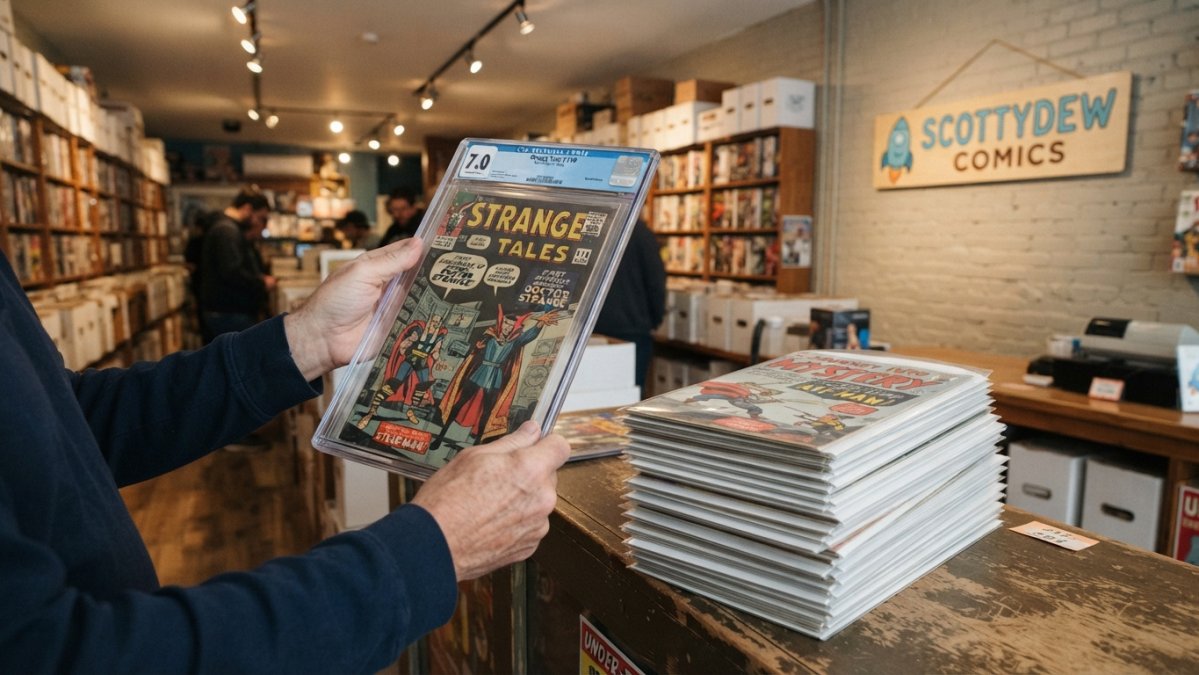
A useful approach is to start with the story, not the hype. Read a checklist of first appearances for the characters you care about, then compare market prices for the lesser-known issues in the same run.
Silver Age Batman Keys Priced Below the Headline Books
Batman titles from the Silver Age offer some of the best value in the category. Several early appearances of recurring villains and supporting figures sit in issues that collectors overlook in favor of the flagship books. Check the graded population and recent completed sales before you commit, because grade can have a large effect on price in this range.
Grading-Adjusted Value Analysis: Paying for Condition Versus Significance
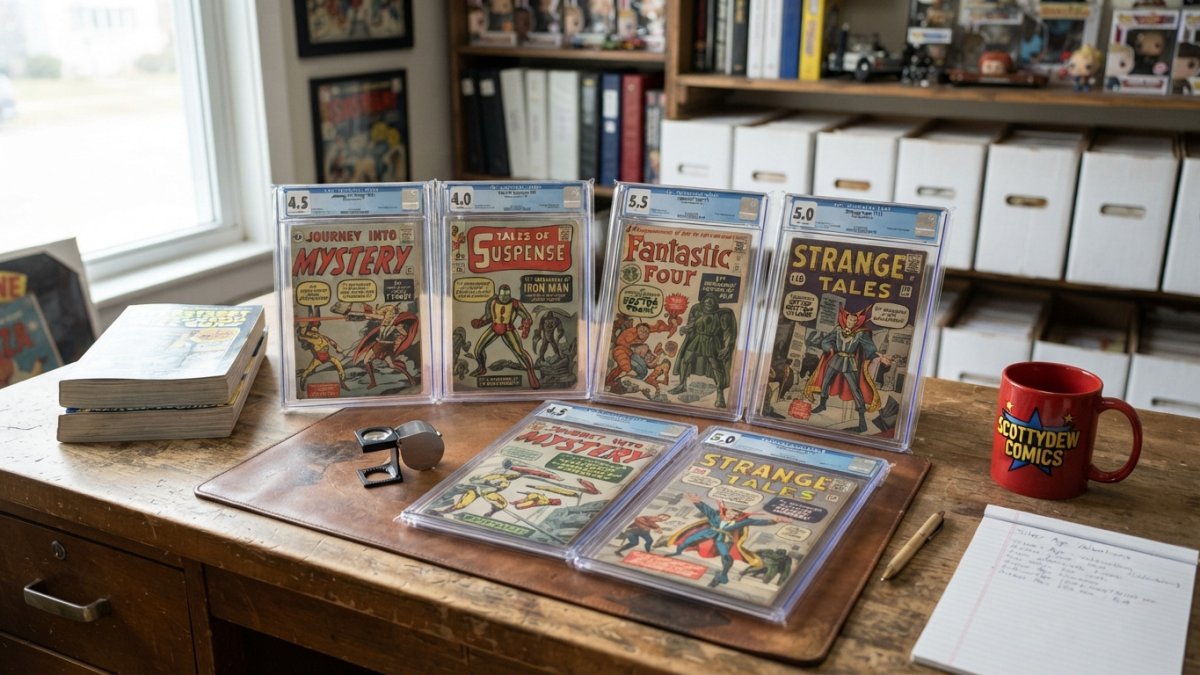
Many guides to Silver Age keys focus on high-grade prices. A lower-grade copy of the same historic book carries the same story significance, since the character still debuts on the same page, and it can trade for a much smaller price. For budget collectors, grading-adjusted shopping can be a practical strategy.
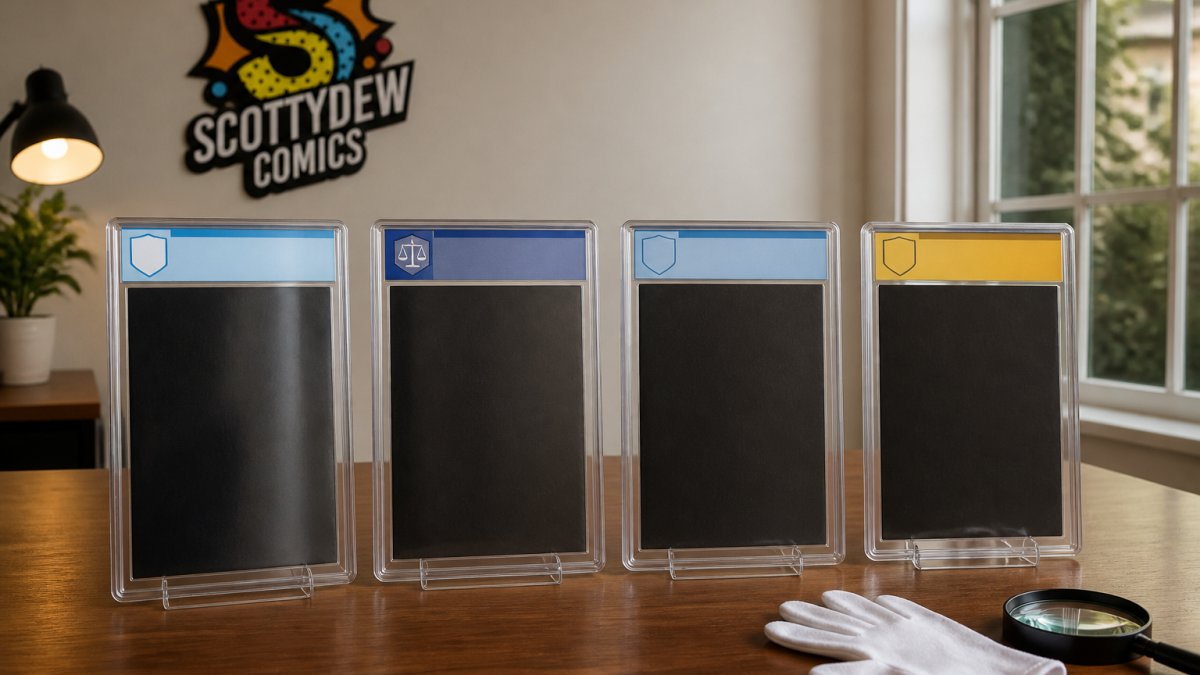
Graded population reports show how many copies exist at each grade. Learn how grading works to judge what a condition premium is really worth. Supply at the top grades is often thin, which can push prices up. Dropping a few grade points can widen the population and bring prices into a more reachable range.
A practical way to compare is to calculate cost per grade point against significance. Take two copies of the same issue, say a 3.0 and a 6.0, and look at recent completed sales for each. Avoid overpaying at live auctions by checking these figures before you bid. If the 6.0 sells for several times the 3.0, ask whether the extra condition is worth that multiple to you. For many collectors, a clean 3.0 to 4.5 copy of a genuinely important book delivers more long-term satisfaction than a 9.0 copy of a minor issue at the same total spend.
Grade also changes how you should buy. Raw (ungraded) copies can offer value in lower grade ranges, but you are accepting grading risk. Learn to judge page quality, spine stress, staple condition, and restoration before you bid on raw books, or buy only from sellers who accept returns. Graded copies can reduce some of the guesswork when you are buying a book you cannot inspect in person.
Watch out: restoration and trimming can make a low-grade book look like a bargain while destroying its resale value, so always check the grader's notes and ask directly about color touch, pieces added, and trimmed edges before you commit.
Set a maximum bid before a live auction starts and treat it as fixed. Auctions can encourage emotional bidding, so a low-grade key that suddenly feels attainable is a common place for budgets to slip. Compare grade-matched completed sales over the past several months, not asking prices, and buy the grade that fits your budget.
The article's grading guidance can be scanned quickly, so here is a summary of the main buying checks.
| Check | What to do | Why it matters |
|---|---|---|
| Graded population | Review how many copies exist at each grade | Thin top-grade supply pushes prices up |
| Cost per grade point | Compare recent completed sales for two grades | Shows whether extra condition is worth the multiple |
| Raw copies | Inspect page quality, spine stress and staples | Accepts grading risk you must judge yourself |
| Restoration | Check the grader's notes for color touch and trimming | Trimming can destroy resale value despite a bargain look |
| Maximum bid | Set a fixed limit before a live auction | Prevents emotional bidding and budget slips |
Cross-Era Key Equivalents: Bronze Age Options That Compete on Value
The Bronze Age, roughly 1970 into the mid-1980s, offers books that can carry historical weight comparable to Silver Age keys, often at lower prices. The trick is not to buy random Bronze Age books. It is to map each expensive Silver Age key to a Bronze Age equivalent based on what makes the original matter: a first appearance, an origin, a major creative run, or a storyline that later shaped adaptations.
Start with the character logic. If a Silver Age key is expensive because it introduced a character who became a franchise anchor, look for the Bronze Age book that introduced a related character, a major supporting figure, or a defining run for that same franchise. The Bronze Age debut of a popular supporting character, or the first issue of a celebrated creative team's run on a flagship title, often sits in the same collecting conversation as the Silver Age key without the same price tag.
A second mapping is by creative significance. Silver Age keys are often prized for the writers and artists who defined a character. The Bronze Age equivalents are the runs where a new creative team took over a title and reshaped it, first issues of those runs, anniversary issues, and storylines that later became source material for film and television. These books are collected for the same reason as Silver Age keys: they mark a turning point in a character's history.
A third mapping is by event. Silver Age keys include major crossover and team-up moments. The Bronze Age has its own event books and team-up firsts that are worth researching. Look for first appearances of characters who later became central to adaptations, and for issues that closed out or relaunched major storylines.
Watch out: the Bronze Age has its own market dynamics, and a low price does not automatically mean value. Some Bronze Age books are common and others are scarce. Check graded population and recent completed sales before you assume a cheaper book is the better deal.
Build your list by working backward from the Silver Age key you want. Identify why it matters, then search for the Bronze Age book that carries the same kind of significance for the same character or franchise. Compare grade-matched completed sales, set a budget, and buy the equivalent that fits, not the headline book you cannot afford.
Market Trends and Price Fluctuations to Watch Before You Buy
Comic prices can move with collector demand and media releases. A character's movie or series announcement can sometimes lift prices, though the effect may fade. Watch recent completed sales over several months rather than relying on a single listing. Follow a repeatable workflow for tracking grade-matched completed sales to spot real market movement.
The market also reacts to supply. When a key issue appears on the market more often, prices can soften. Track grade-matched sales so you compare like with like, and be cautious about asking prices that have not actually sold.
Start Hunting Your First Affordable Key at Scottydew Comics
Finding a great affordable key is easier when you know what to look for and where to look. Scottydew Comics runs live auctions on the Whatnot platform, along with themed shows like Tuesday Night with ScottyDew and Mixed-Up Saturday, where collectors can browse curated bundles and exclusive drops. Pricing depends on the item, its grade, quantity and availability, so check current listings or the Scottydew Comics website for specifics.
Join our community to discover rare treasures, and consider the Wham! Stand for displaying your finds.
Frequently Asked Questions
What are the most valuable Silver Age comics to invest in?
Silver Age keys with strong first appearances and high grades are often sought after, though prices shift with market conditions. Books tied to major characters, including early Batman and Spider-Man issues, have the deepest buyer pools. Check recent sales data from price guides and auction records before committing money, since prices shift with market sentiment. Buying the highest grade you can reasonably afford usually matters more than chasing a marginal key.
Are Silver Age comics a good investment?
They can be, but returns depend heavily on condition, rarity, and the specific title. Graded examples in high grades are more liquid than raw copies, and well-established keys generally outperform speculative books. Treat collecting as something you enjoy first and an investment second. Costs such as grading fees, shipping, and insurance reduce net returns, so factor them in. Spreading purchases across several affordable keys often carries less risk than one large acquisition.
How can I find undervalued Silver Age comics?
Look for books with historical significance that do not get as much attention as the headline titles, such as early appearances of supporting characters or stories from less-known creative runs. Compare graded sale prices across grades rather than relying on a single listing. Live auctions and themed sales can surface books that casual buyers overlook. Reading issues and understanding the era helps you spot value that the market has not fully priced in.
Are Bronze Age comics a more affordable alternative to Silver Age keys?
Bronze Age books from 1970 to 1984 often carry notable first appearances. They also offer strong storylines and iconic art. Value depends on the specific issue. Check the Scottydew Comics website for current listings and a quote, as pricing depends on the item and its details.